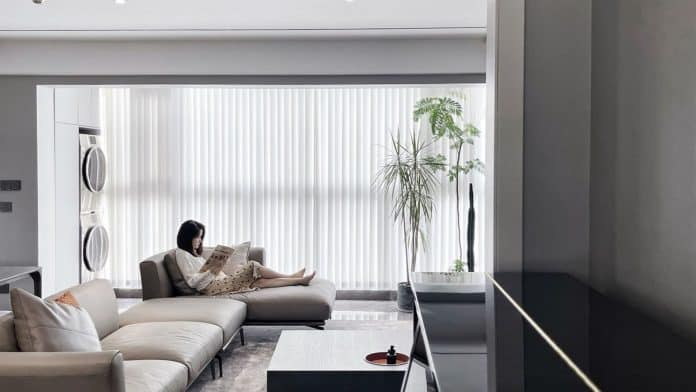
Smart Motors are transforming blinds and curtains into intelligent, connected shading systems. Leading brands share their innovative solutions that are reshaping comfort, control and integration in smart homes.
Smart Motors has quietly become one of the most critical components in modern window systems, redefining how blinds and curtains function in connected homes and intelligent buildings. What was once a purely manual gesture, pulling a cord, tugging a chain or drawing a curtain by hand has evolved into a layered ecosystem of motors, sensors, protocols and apps that together deliver precision, comfort and control.
The smart motor is no longer a hidden accessory but the core technology layer that determines performance, integration and user experience. A smart motor is expected to deliver smooth and quiet operation, handle a wide range of loads and fabric sizes, offer precise positional control and communicate reliably with controllers, sensors and smart home hubs. The quality of the motor directly shapes how occupants experience a space: whether blinds rise silently in a bedroom at sunrise or whether curtains in a luxury living room glide without judder.
To address diverse installation scenarios, the market now offers multiple categories of motors. Wired motors remain the backbone of new construction, large homes and commercial projects where electrical planning can be done upfront. Powered from the mains and often speaking building automation languages such as KNX or other protocols, they are ideal for large loads and high-frequency operation. Wireless and battery-powered motors, on the other hand, have unlocked the retrofit market. These compact units, with rechargeable or replaceable batteries, communicate via RF, Zigbee, Z-Wave, Wi-Fi or proprietary protocols, allowing existing apartments and finished interiors to adopt automation with minimal civil work. Within these two broad camps are specialised variants: tubular motors that disappear inside the roller tube for blinds and screen shades, and dedicated curtain track motors engineered to move heavy drapes and layered curtains, support curved or extra-long tracks and offer soft start/stop and touch-motion features.
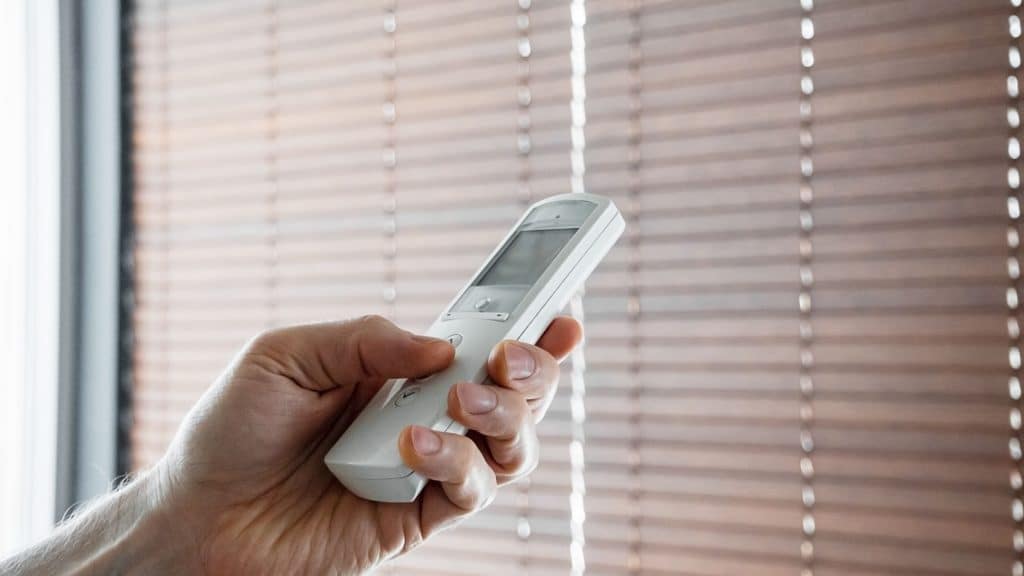
The latest smart motors embody several technological shifts. Ultra-quiet operation has become a design priority, particularly for bedrooms, meeting rooms and hospitality suites where acoustic comfort is as important as visual comfort. Improvements in gearing, motor design and control electronics have significantly reduced noise levels, allowing motion that feels more like a soft architectural gesture than a mechanical action. Integration capabilities have also matured. Motors are increasingly offered with native support for building protocols such as KNX, DALI or BACnet, as well as direct compatibility with leading home automation platforms. Rather than sitting on a parallel control island, shading can now participate in unified logic for lighting, HVAC and security, contributing to energy efficiency, occupant comfort and façade performance.
Design expectations have not been compromised in this pursuit of intelligence. Motor profiles are getting slimmer, enabling installation in shallow headboxes, pelmets and minimalistic ceiling pockets. Hardware is engineered to disappear into the architecture, allowing only the fabric or curtain statement to be visible. This is particularly important in contemporary interiors with large-format glazing, thin frames and a strong emphasis on clean lines. For architects and interior designers, smart motors are no longer a technical afterthought but a key enabler of façade expression and interior comfort.
Smart Home World speaks to leading brand heads, who share insights on their latest offerings and their advancements.
Taral Trivedi, Managing Director, Somfy
What innovations has your company introduced in smart lighting and automated shading?
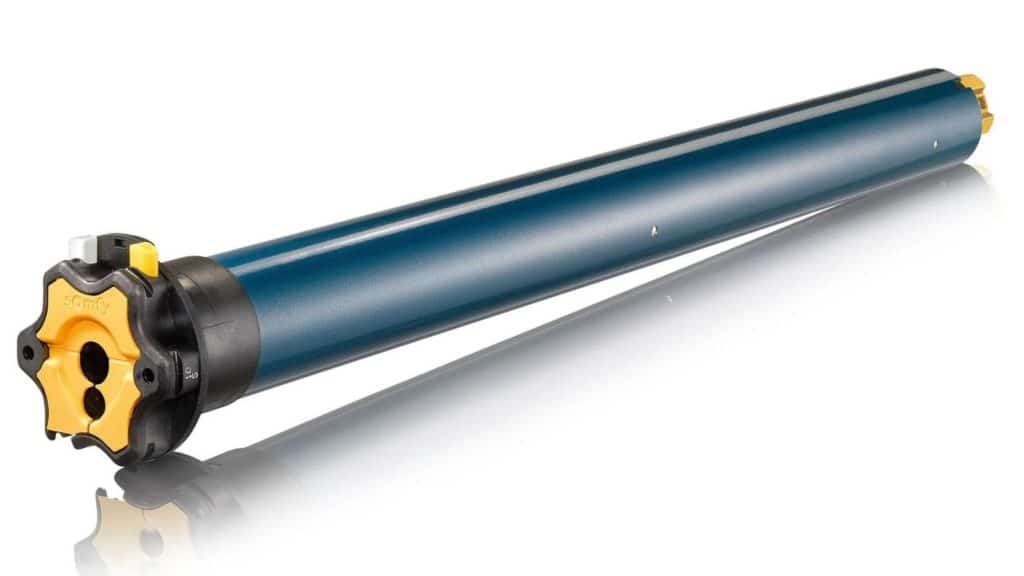
Somfy offers a range of advanced motors that are at the heart of modern smart homes, providing smooth, quiet, and reliable operation for blinds, curtains, shutters, and awnings. These motors simplify daily routines by automating tasks such as opening shades to welcome natural light in the morning, closing curtains in the evening for privacy, or adjusting blinds to reduce glare and manage indoor temperatures. Beyond convenience, Somfy motors offer a high level of precision and durability, ensuring long-lasting performance across residential spaces. Our motors also integrate seamlessly with major smart-home platforms, enabling personalised control through schedules, automated scenes, or voice commands. With these innovations, Somfy motors make homes more intuitive, responsive, and enjoyable to live in.
In what ways do Somfy motors enhance energy efficiency in the home?
Somfy motors contribute to energy efficiency by optimising natural light and regulating indoor temperatures throughout the day. During hot summer months, shades can close automatically to reduce heat gain and lower air-conditioning use, while in winter, they open to allow sunlight in, helping to reduce heating needs. Integrated with smart-home systems, Somfy motors can coordinate with lighting and climate controls to create customised, energy-saving routines. By managing the home environment intelligently, these motors not only enhance comfort and convenience but also help homeowners reduce energy consumption and support a more sustainable lifestyle.
Are Somfy motors compatible with smart home platforms such as Alexa, Google Home, or HomeKit?
Somfy motors are compatible with leading smart-home platforms, including Amazon Alexa, Google Home, with Apple HomeKit integration on our innovation roadmap. This allows users to operate blinds, curtains, shutters, and awnings through voice commands, mobile apps, or automated routines. By integrating shading with lighting and climate control systems, Somfy motors enable personalised schedules, smarter automation, and greater energy efficiency, transforming any home into a more connected, responsive, and energy-conscious living environment.
How do you partner with architects and system integrators to deliver integrated smart-home automation?
At Somfy, we collaborate closely with architects and key stakeholders throughout the decision-making process. We engage with them from early design stages and propose the most suitable solution based on each client’s individual needs. We work with stakeholders across the value chain and support them by making their lives easy in all the stages —from design and technical guidance to commercial support and after-sales service—ensuring comfort, convenience, and peace of mind for every home.
Mayank Agarwal, Director, AOK MOTOR (INDIA) PRIVATE LIMITED.
What advancements have you made in motor technology to improve performance, noise reduction, and reliability?
In the past few years, our whole assembly line has been transformed from using semi-automatic equipment to fully automatic equipment which in turn decreases a lot of reliability on human work force decreasing the chances of error and in turn providing much more stable product in hand, besides our R&D team has continuously been conducting tests to create or reach the industry benchmark point for product features and during this course of time we have always been upgrading our products from time to time basis by improving the raw material quality for more stable performance and lastly we always welcome feedback from our customers to keep on improving the efficiency, reliability and durability of our products.
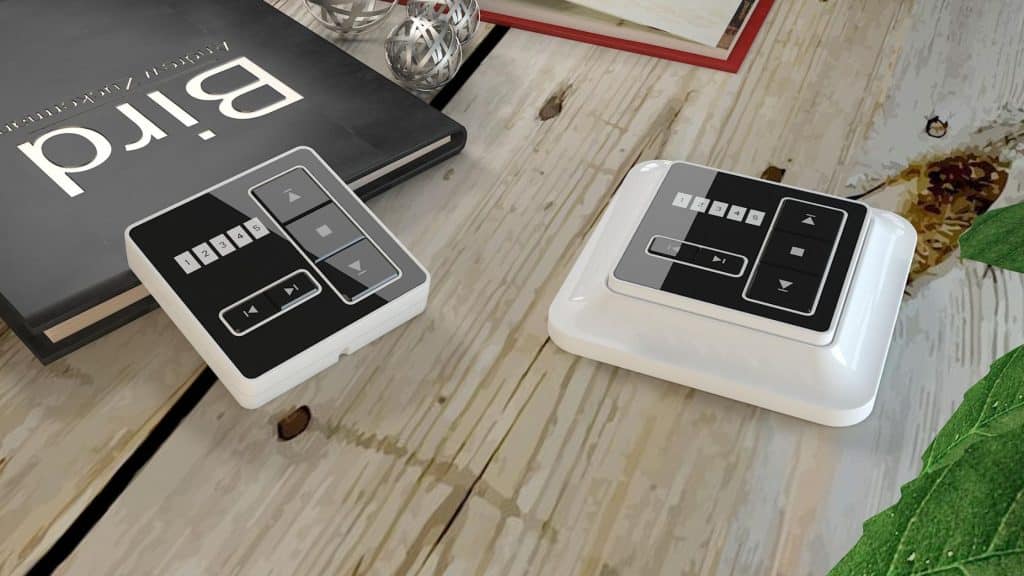
What installation or retrofit solutions have you developed to make automation more accessible for various projects?
Our motors are ready to install with majorly all the major leading solutions available in the market, be it Bluetooth, Wifi, Zigbee, Matter, etc.
Could you let me know if your solution is good for Wired or Wireless systems?
We provide motors for both the solutions be it wired or wireless, as I said earlier we have Bluetooth, Wifi, Zigbee, Matter etc. for the wireless connectivity, same way we have RS485, direct AC current connectivity, Dry Contact option in the wired ecosystem, I would say both the systems have their pros and cons, Wireless system is fast & easy to install, inexpensive when compared to the wired system and can be used for simple automation when a single command needs to trigger maximum 2-3 devices, on the other hand wired system is pretty slow in commissioning and expensive to install, but can handle the automation more efficiently especially where there are multiple devices which needs to be triggered using a single command or I would simply say where there is high usage of a complex system of automation wired solution is more preferable and reliable as well as long lasting.
Sumit Garg, Director, Vyoma Exim (P) Ltd.
What are the latest innovations your company has introduced in smart lighting and automated shading?
In the field of automated shading, our brand, Dooya, has introduced Matter-enabled motors, facilitating seamless integration with home automation systems. These motors communicate effortlessly with Apple Home and SmartThings on Android devices, eliminating the need for additional applications on phones.
How are you integrating sensors, automation, or AI to enhance user experience and energy efficiency?
Our Dooya motors incorporate solar, wind, and rain sensors, allowing users to adjust luminosity, wind speed, and humidity to control shade openness. In addition to timers and scene control, shades can be set according to the sunrise and sunset times in specific time zones. Our Suncool brand smart shades feature an aluminium coating on the exterior side, reducing UV penetration and lowering room temperatures by 1-2 degrees Celsius, thus significantly saving energy used by air conditioning systems.
Are your products compatible with smart home ecosystems, such as Matter, Zigbee, or Wi-Fi?
Yes, our Dooya motors are compatible with Zigbee, Matter, and Wi-Fi systems. We have also launched motors that communicate directly with KNX, facilitating integration with building management systems through an open protocol. We are certified partners with KNX systems globally.
How do you work with lighting designers, architects, and system integrators to deliver cohesive automation solutions?
We collaborate with architects, interior designers, and system integrators across India primarily through our network of distributors. We ensure their education is up-to-date, and our support team is available to assist with any installation queries. For more complex situations, our engineers are prepared to visit sites throughout the Indian subcontinent, resolving any challenges. Our commitment to customer service ensures that when you choose us, you become part of our family, receiving exceptional after-sales support.
Brand Offering
Evolix Smart Curtain Motors
Evolix Smart Curtain Motors are designed to bring convenience, elegance, and advanced automation into modern homes and commercial spaces. Built with next-generation engineering and premium-grade components, Evolix motors deliver a smooth, silent, and reliable curtain movement experience that enhances both aesthetics and functionality in any interior environment.
At the core of Evolix Smart Curtain Motors is an ultra-quiet motor technology, engineered to operate with minimal noise while delivering consistent performance. This makes Evolix ideal for bedrooms, living rooms, hotel suites, conference halls, and premium offices—anywhere where silence and seamless operation matter. The motors support both straight and curved tracks, making them adaptable for a wide range of window designs and interior layouts.
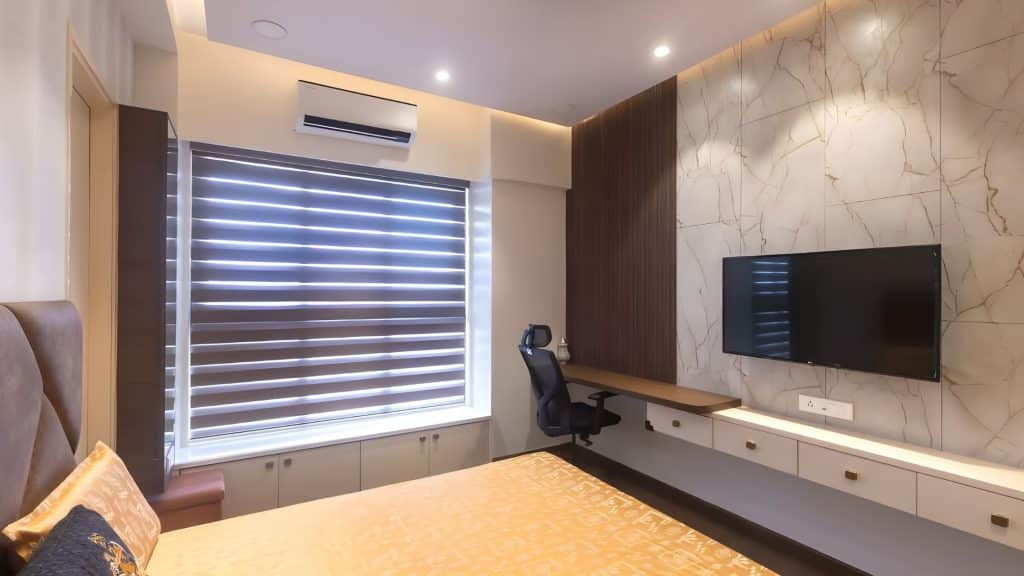
Evolix motors are fully compatible with all major smart home platforms, offering integrated control via mobile apps, voice assistants, and home automation hubs. Users can schedule curtain movements, set timers, or operate them remotely from anywhere. Whether it’s waking up to natural daylight, closing curtains for privacy at sunset, or automating energy efficiency based on room temperature, Evolix delivers a smarter and more personalized lifestyle experience.
No more need for separate KNX curtain actuators! The new Evolix KNX Motor lets you integrate your motors directly into your KNX infrastructure, offering 2 NM torque, a 60 kg load capacity, compatibility with ETS5 and ETS6, and a 5-year manufacturing warranty.
To ensure maximum user convenience, the motors feature *Touch Motion Technology*—allowing users to simply pull the curtain slightly to activate automatic opening or closing. This hybrid manual-plus-motorized control gives added flexibility and ensures smooth operation even during power outages. The motors also support both wired and wireless installation options, offering complete freedom during new installations as well as retrofit projects.
Evolix tracks are engineered with precision-aligned rollers and durable aluminium profiles that ensure long life, minimal friction, and a soft, glide-like movement. The system supports curtains up to a high load capacity, making it suitable for both light fabrics and heavy drapes. With adjustable speed settings, gentle start-stop function, and advanced obstacle detection, safety and performance go hand-in-hand.
For installers and system integrators, Evolix provides easy configuration, quick calibration, and reliable connectivity, making it one of the most preferred brands in the automation industry. With robust after-sales support and the backing of Nefcon Systems, Evolix stands as a trusted choice for residential, hospitality, and commercial automation.
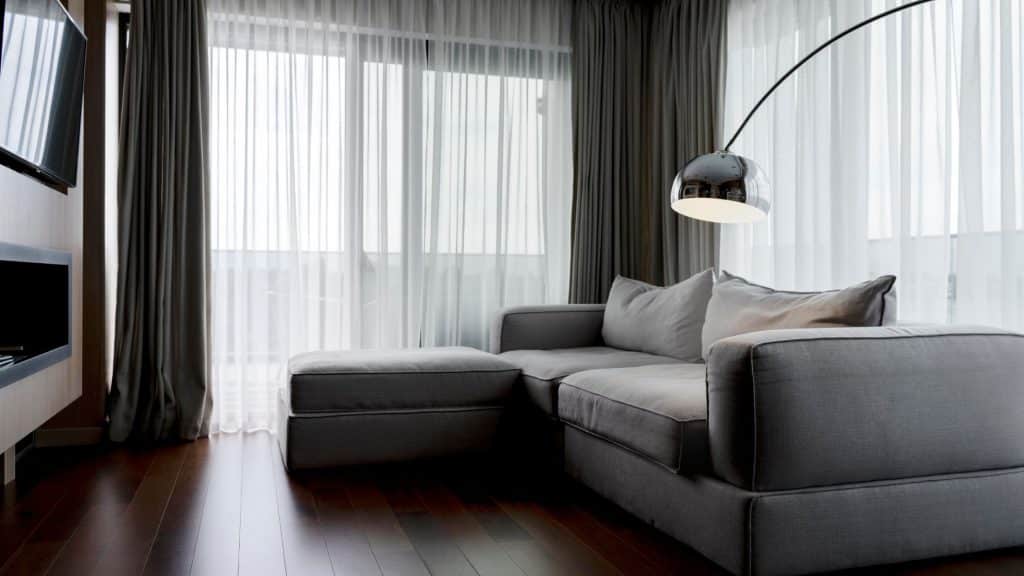
In essence, Evolix Smart Curtain Motors combine luxury, technology, and convenience to deliver an effortless curtain-movement experience—transforming everyday living into a modern, automated lifestyle.
Evolix 3NM Moto heavy-duty motors are available in 5 Wires, WiFi, Zigbee, LOFT BLE and Alliee BLE. Can handle upto 120 Kgs and comes with a 5 Year Warranty.
We conclude by saying, Smart motors have quietly become the intelligence layer behind modern shading, bridging architecture, electronics and automation. As performance, acoustics, integration and design continue to advance, the motor inside the headbox will increasingly define how we experience light, privacy and comfort every day. For brands, designers and system integrators alike, the opportunity now lies in treating shading motors not as accessories, but as strategic components in the larger smart home and smart building ecosystem.