
ROI of Smart home goes far beyond cutting utility costs—intelligent tech transforms every square foot into a high-performance asset. Smart Home World speaks to experts who share their insights on real gains in savings, comfort, and long-term value, while also sharing the pros and cons you need to know.
Many homeowners still assume that investing in smart homes is “too expensive” or that the returns are limited to a few cool gadgets and App controls. This article cuts through those misconceptions about ROI in smart homes. It also brings in the perspective of architects, interior designers and system integrators, exploring how they evaluate the value of smart technologies, where they see meaningful returns for clients, and how thoughtful design and selection of right smart technology can result in a smart, future-ready investment.
Industry Overview
For the beginners, it is important to understand what this segment includes and its functioning. Though energy efficiency is regarded as one of the most sought-after segments, which includes smart lighting, climate control, automated blinds and intelligent energy management systems that work quietly in the background to trim waste and optimise consumption. Smart thermostats and AC controllers adjust cooling based on occupancy and time of day; motion sensors ensure lights are not left `ON’ in empty rooms; energy monitoring solutions help residents understand and correct inefficient habits. Over the years, these small, everyday optimisations add up to substantial savings, allowing many systems to pay for themselves through reduced utility costs, especially in larger homes or high-consumption households.
Another important, though subtle, component of ROI is time. In an urban context where dual-income households and long work hours are the norm, time saved is invaluable. Smart homes automate repetitive, mundane tasks—turning off lights, arming security, adjusting curtains, scheduling geysers and appliances, freeing residents from constant manual control. Fewer mistakes, such as leaving the AC ON all day, and less mental load in managing the home, allow people to better time management and over months and years, this adds up to a significant saving.
Smart Home World speaks to leading architects, interior designers, and system integrators to share actionable insights with readers on their views and insights on ROI for Smart Homes.
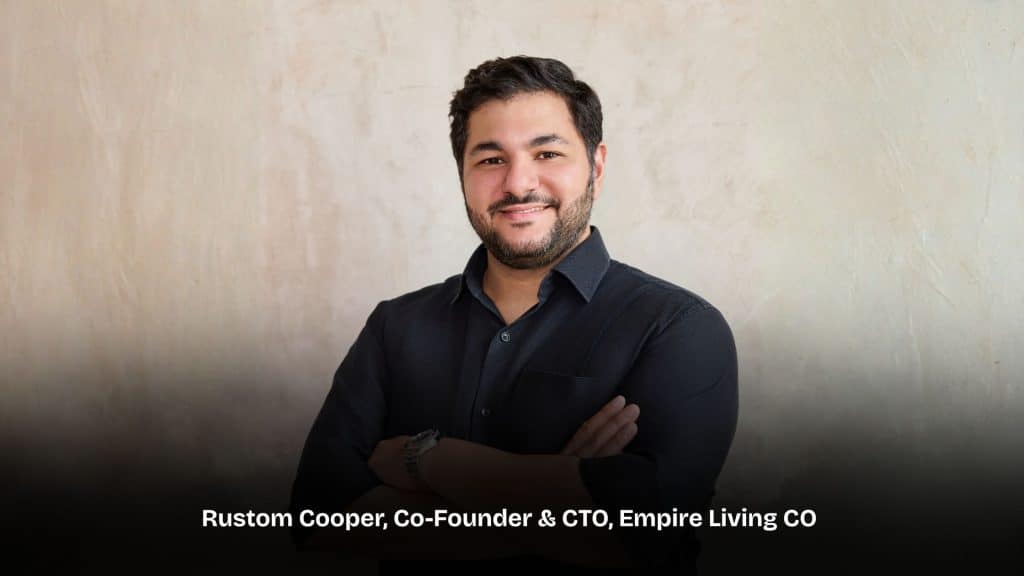
Rustom Cooper, Co-Founder & CTO, Empire Living CO
How has the demand for integrated smart home systems changed in the past 2 to 3 years?
We’ve seen demand grow from our clients in India and Dubai as they now measure value in both financial and experiential terms. In India, people want homes that feel easier to run, with fewer daily touchpoints. In Dubai, convenience and reliability are expected in every premium property. My team has seen a significant rise in projects where clients ask for one simple control layer that improves daily living, reduces stress, and makes the home feel organised.
Which smart home solutions provide the quickest ROI for homeowners?
You get ROI from lighting and AC automation that lowers cost, but you also get strong intangible returns from:
• Seamless access control that improves security and gives peace of mind
• Voice and app control that saves time during daily routines
• Centralised scenes that reduce effort across lighting, climate, and AV
• Strong networking and WiFi that removes frustration and downtime
• Automated shading that improves comfort in heat-heavy markets like Dubai
These do not show up on a bill, but they change how the home feels every day. Homeowners value this as highly as energy savings.
Which emerging technologies or services will boost ROI going forward?
Emerging technologies that will boost ROI going forward are those that quietly reduce friction in daily life while improving health, comfort, and reliability. AI-driven home routines will increasingly take over small decisions throughout the day, like adjusting lights, temperature, and blinds based on habits, making homes feel more intuitive and personalised. Smarter presence and motion sensing will further enhance comfort by managing lighting and climate without the need for constant manual control. We’ll also see stronger integration between wellness features and automation, especially with circadian lighting that supports natural sleep–wake cycles. In polluted Indian metros, real-time health and air-quality monitoring will become a high-value feature, giving residents better control over what they breathe indoors. Finally, predictive maintenance for AC, AV, and networking systems will help keep homes running smoothly in harsh climate conditions, reducing breakdowns, extending equipment life, and protecting the overall investment in smart infrastructure.
Ganesh Vudutha, Founder, EDOMOTICS Smart Systems Pvt. Ltd.
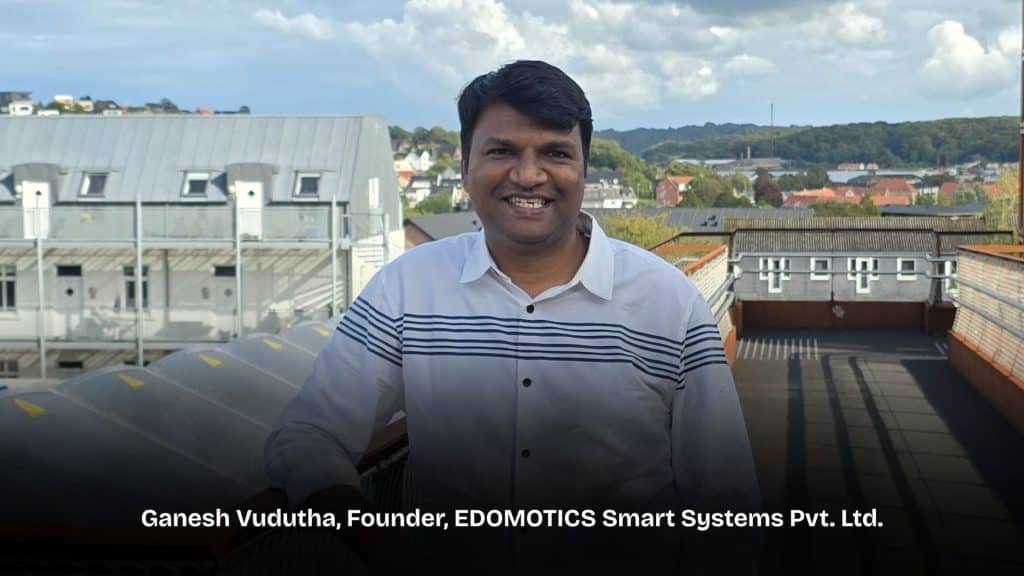
How has the demand for integrated smart home systems changed in the past 2–3 years?
There are many manufacturers or retailers that offer piece-meal solutions such as lighting control, curtain motors, AC control, or multi-room audio systems. And these companies, typically, cannot fulfill the needs of a homeowner if he/she is looking for an integrated solution. We see a lot of inbound leads lately where the homeowner has done research on the various home automation options and wants an integrated smart home system. And, this is where the role of the system integrator becomes crucial.
Which smart home solutions typically provide the quickest ROI for homeowners?
The 3 most significant energy consumption devices are the Air Conditioning, Geysers, Appliances and Lighting. The first step to energy saving is monitoring i.e. the homeowner needs to understand and be aware of where the money is being spent. By implementing sensors, routines, timers and schedules, we can achieve the maximum ROI.
Are there emerging technologies or services that you believe will significantly boost ROI for homeowners?
The consumption of electricity in a home is ever-growing and with the surge of EV cars, the electricity consumption is expected to rise steeply. Another significant factor is India moving towards a Time of the Day (ToD) tariff policy. Once this gets rolled out, smart home automation can significantly impact the energy bills. Scheduling tasks that consume maximum electricity when the tariff is the least becomes the key to energy saving. Another significant impact on the ROI will be achieved by utilizing Solar energy for such tasks. Smart home automation will be at the very centre of this energy-saving journey for the homeowner.
Ashok Reddy, CTO, Reloto Automation Solutions Pvt. Ltd.

How has the demand for integrated smart home systems changed in the past 2–3 years?
Over the past few years, we’ve seen a strong shift from standalone smart devices to fully integrated ecosystems. Homeowners now prefer solutions that bring lighting, security, HVAC, audio-video, and energy management into a unified platform. The rise in remote work, increasing awareness of energy optimisation, and improved affordability of smart devices have significantly boosted demand. Clients today are more informed and actively seek long-term value rather than one-off enhancements.
Which smart home solutions typically provide the quickest ROI for homeowners?
Technologies that deliver immediate energy savings tend to offer the fastest ROI—particularly smart lighting automation, smart thermostats/HVAC control, and energy monitoring systems. Additionally, security and surveillance solutions offer strong non-financial ROI by enhancing peace of mind and property protection, which homeowners increasingly value.
Are there emerging technologies or services that will significantly boost ROI for homeowners?
Yes, AI-driven energy optimisation, smart load management, and integration with renewable energy systems are poised to become major ROI drivers. We also expect predictive maintenance and sensor-driven automation to grow rapidly, reducing energy waste and extending the lifespan of appliances and systems. These technologies move beyond convenience and start delivering tangible operational savings.
Amit Porwal, Founder and Principal, IPIPL
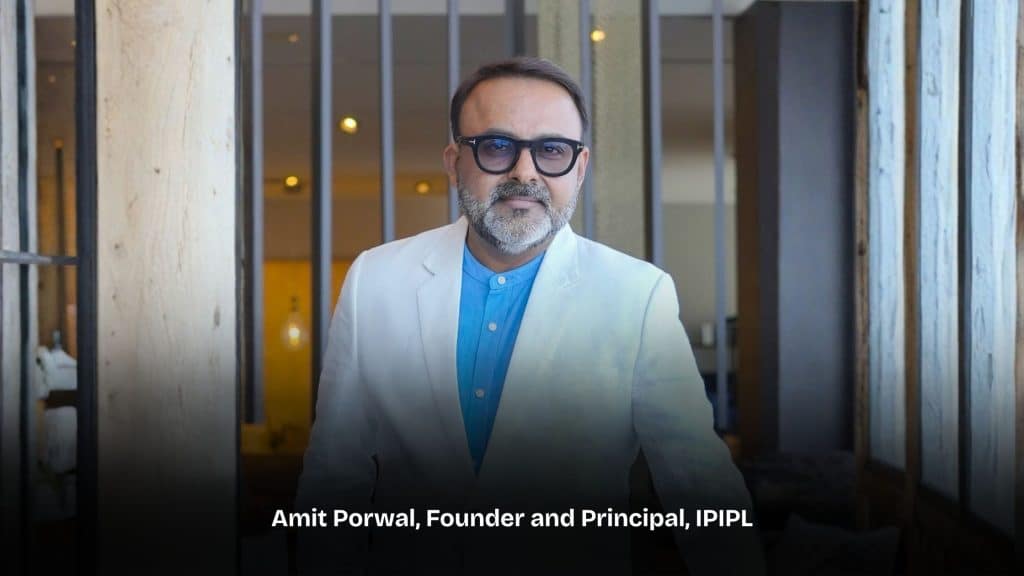
From a design perspective, which smart home investments add the most value to a property in India?
In India, the smart features that truly add value are the ones that make daily life easier, safer, and more efficient without overwhelming the homeowners. The most impactful investments tend to be smart lighting systems (with scene settings, dimming, and app control), smart door locks and video door phones that strengthen security, and smart AC control systems that help manage cooling more efficiently in our homes.
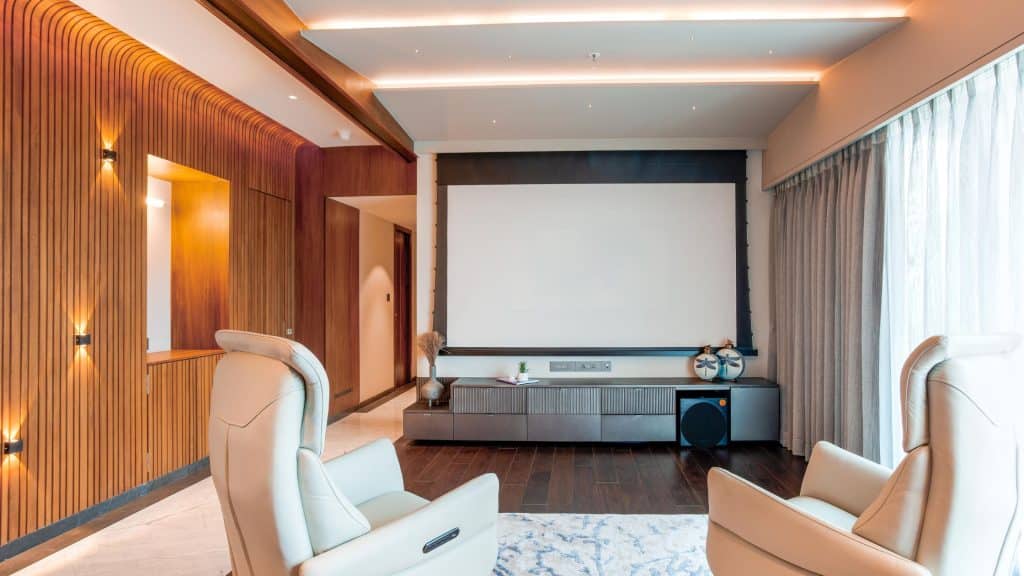
In premium apartments, motorised blinds and curtains are increasingly seen as a mark of luxury, while a reliable Wi-Fi and networking backbone has become non-negotiable for everything to function smoothly. Across the board, clients prefer technology that visually recedes into the interiors and does not demand heavy or frequent maintenance.
Do clients in India generally perceive smart home features as a worthwhile investment for resale or long-term ROI
Increasingly, yes. Especially in metro cities, clients view smart features as a clear convenience upgrade, a marker of a modern, premium home, and in some cases a differentiator that can improve resale appeal in competitive markets.
That said, ROI perception is mixed. Many homeowners still prioritise visible elements—like finishes, furniture, and decor over technology. For most, smart features are still seen as a “good-to-have” value-add rather than a mandatory specification, with one major exception: security. Anything that improves safety—locks, cameras and video door phones is almost universally considered a worthwhile investment.
Are there specific technologies you recommend to clients for long-term value?
Yes. In the Indian context, we find that clients get the best long-term value from simple, scalable systems rather than over-engineered, fully-loaded automation. Our typical recommendations include basic automation packages with smart switch modules and lighting control, along with smart locks and video doorbells, which offer clear, long-term utility.
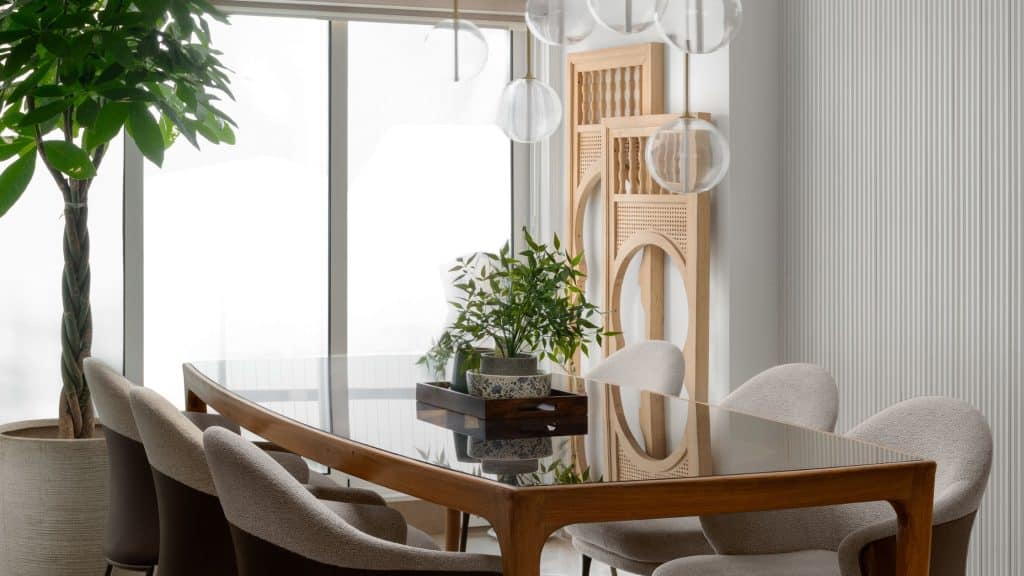
We strongly advise laying structured wiring during construction, even if the full automation is planned for a later phase, because this keeps future options open at a much lower incremental cost. A stable Wi-Fi system with strong coverage across the home is essential; it is effectively the backbone of all smart features. Smart thermostats and AC controllers also deliver meaningful energy savings, given India’s climate.
Instead of pushing expensive, whole-home automation from day one, we focus on systems that are easy to maintain, upgrade, and expand over time.
What are the biggest challenges in aligning Indian clients’ expectations with technology capabilities?
The most common challenge is budget: clients are often exposed to high-end global references and want similar experiences at significantly lower costs. Ease of use is another key factor where homes with elders, children, and staff prefer simple, intuitive controls over complex apps or multi-step operations.
There are also persistent concerns around maintenance and after-sales support, with many clients worried about breakdowns or systems becoming obsolete. In several locations, inconsistent internet performance is a real limitation, since many smart solutions are only as reliable as the Wi-Fi that supports them.
Finally, there is often a lack of clear understanding about what automation can and cannot do, which leads to either inflated expectations or under-utilisation of installed systems. We’ve found that realistic demos, mock setups, and upfront discussions about limitations and service support go a long way in aligning expectations with reality.
Dipttii Khanna, Founder, Dipttii Khanna Designs
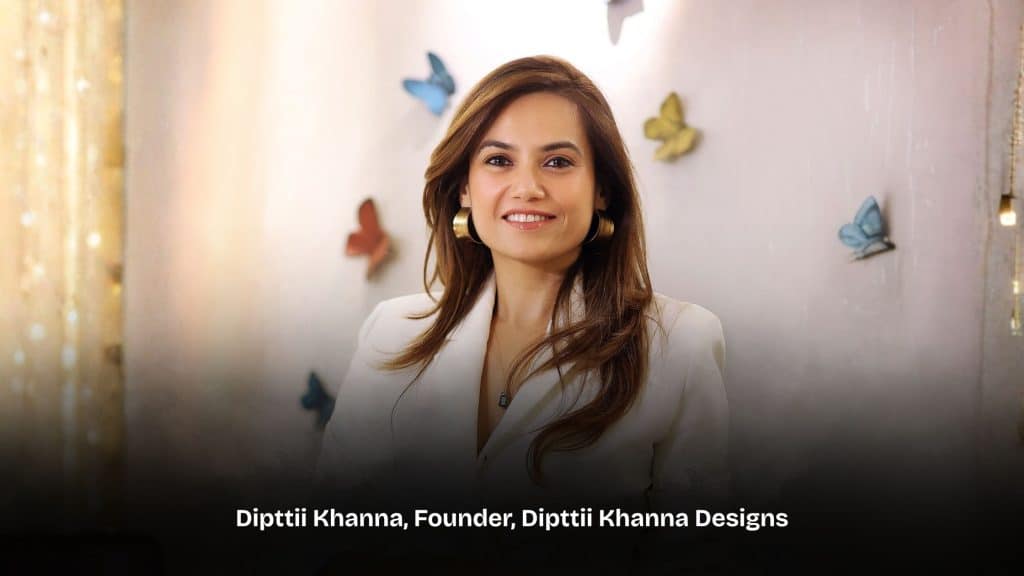
From a design perspective, which smart home investments add the most value to a property?
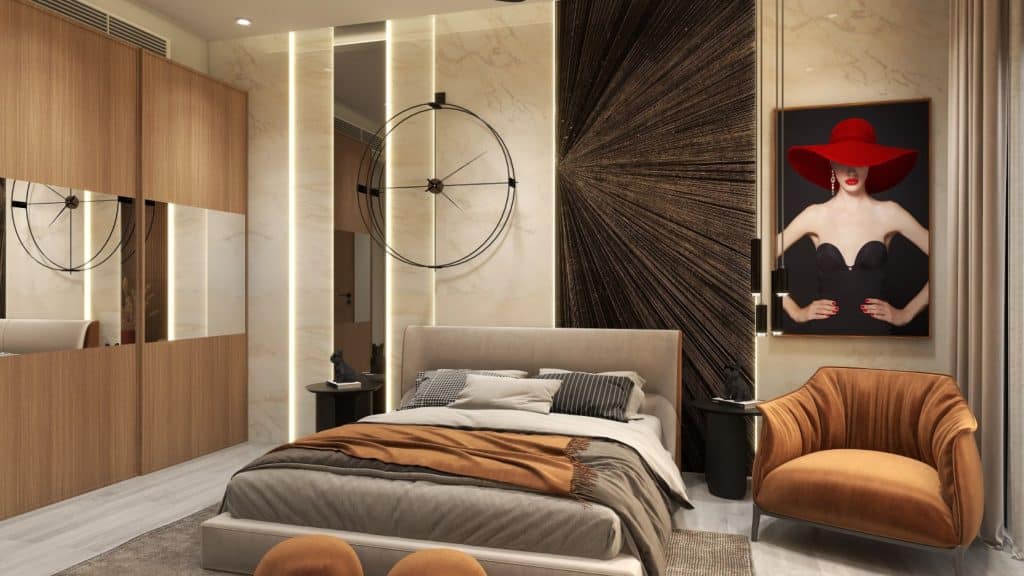
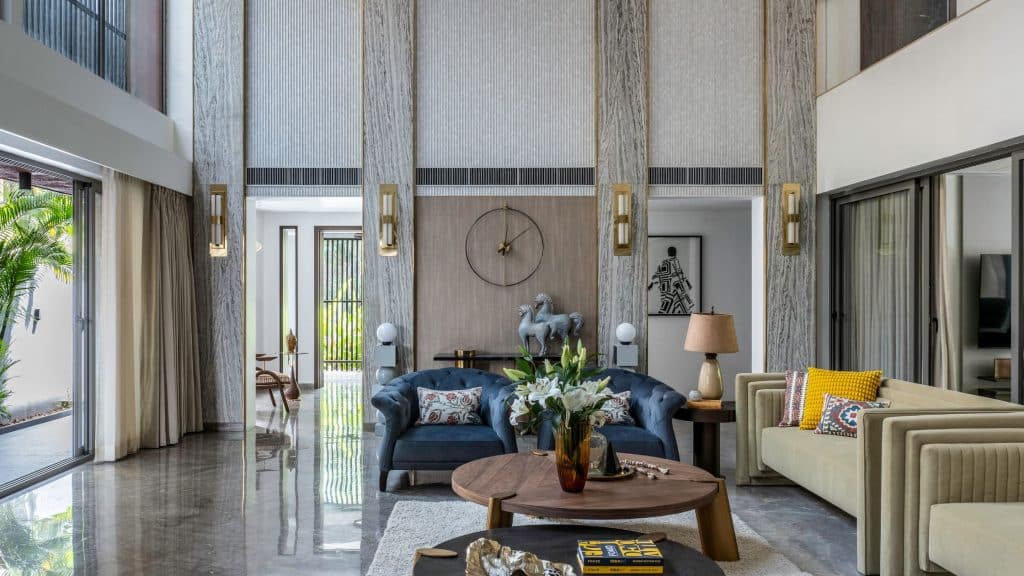
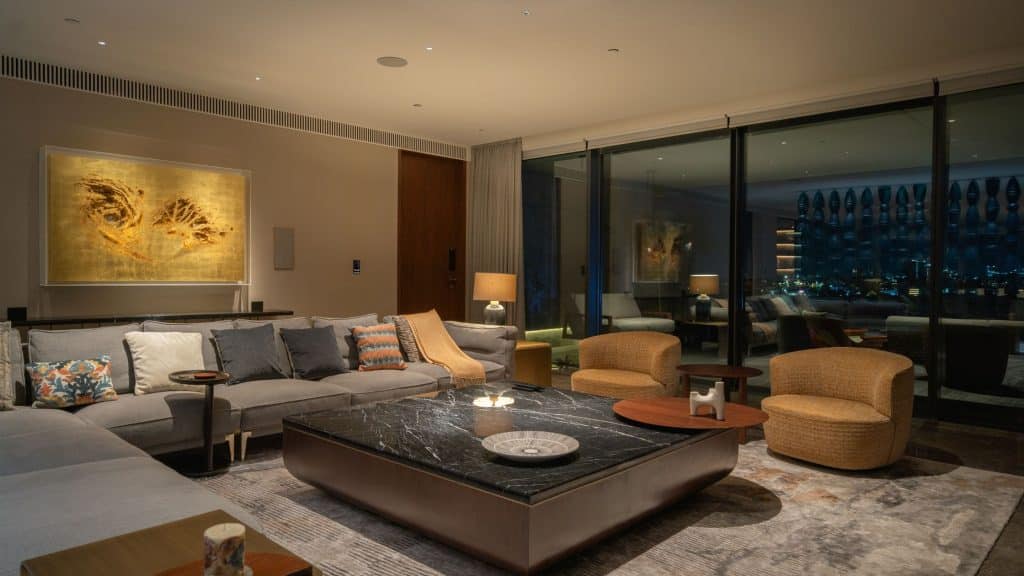
From a design perspective, the most valuable smart home investments are those that elevate lifestyle while remaining visually unobtrusive. At Dipttii Khanna Designs, we focus on features that seamlessly blend into the interiors rather than drawing attention to the technology itself. Lutron or KNX-based lighting automation is a key example of full-scene control, cleaner walls and a more refined user experience that make it far superior to app-based bulb solutions. Automated climate and blinds systems further enhance comfort and efficiency while maintaining a consistent aesthetic, eliminating the visual and functional clutter of manual controls. Integrated security like smart locks, CCTV and access systems, is always planned as part of the architectural concept rather than treated as an afterthought, and all of this is supported by a strong network backbone with structured cabling and centralised networking, because any smart home is only as reliable as its connectivity. For us, these elements are not add-ons; they are fundamental to creating a modern, functional luxury home.
Do clients see smart home features as worthwhile for resale or long-term ROI?
Most clients do see smart home features as worthwhile for resale and long-term ROI, especially once they understand how seamless integration, rather than scattered gadgets, can enhance a property’s appeal. Homes with robust lighting, climate and security automation typically sell faster because buyers immediately value the convenience and intelligence that’s already built in. Energy efficiency and security consistently contribute to perceived value, while overly trendy or standalone devices tend not to age well. What truly holds value over time are integrated ecosystems designed to work together, so when smart integration is done right, clients view these features as a genuine long-term asset—and informed buyers do too.
Are there specific technologies you recommend to clients for long-term value?
Yes, we always encourage clients towards systems that are stable, future-ready and easy to upgrade. Lutron HomeWorks or KNX automation platforms are our preferred choices because they are reliable, well-established and not dependent on any single brand’s app or product cycle. We also recommend smart climate control integrated with HVAC systems for real, measurable energy savings, as well as motorised blinds with sensor-based automation to intelligently manage heat and light. Centralised AV and networking ensure that future upgrades can be carried out without disrupting the finished space, and high-quality security systems are detailed into the architecture so they enhance, rather than clutter, the visual language of the home. These solutions age gracefully, minimise maintenance issues and support phased expansions over time.
What are the biggest challenges in aligning client expectations with available technology?
The biggest challenges usually stem from the gap between the fantasy of a “smart home” and its practical realities. Many clients imagine complete, effortless automation without fully appreciating the logic, programming and coordination involved behind the scenes. Budgets don’t always match the level of sophistication they envision, especially when it comes to centralised solutions like Lutron or KNX. There is also a common assumption that every device will be universally compatible, which isn’t true in practice. Some clients hesitate to invest in the invisible backbone—infrastructure like wiring, hubs and networking—even though that is exactly what makes a system robust and future-proof. Added to this is the confusion between consumer gadgets and professional-grade systems, which often requires us to reset expectations. Ultimately, education and clear guidance are crucial: our role is to help clients make informed decisions so their smart home doesn’t feel outdated in a couple of years, but continues to support the way they live well into the future.
Ar. Gaurav Sanghavi, Founder, Pentaspace.

From a design perspective, which smart home investments add the most value to a property?
From our experience, the highest-value smart investments are those that balance comfort, efficiency and visual calm. Smart lighting and climate control are key, both for energy savings and for creating different moods throughout the day. Integrated security systems like CCTV, smart locks and access controls are now almost a baseline expectation in premium homes.
Automated blinds and curtains add a lot of perceived luxury while also helping with glare and heat control. A centralised home automation system that ties lighting, curtains, AC and security into one interface always feels more premium than standalone devices.
We also see strong value in voice assistants and app-based controls, especially when they’re discreetly integrated. In luxury homes, smart kitchen appliances are gaining traction as part of a holistic tech-enabled lifestyle. Across all segments, seamless design integration—clean walls, hidden wiring, minimal visible hardware—and retrofit-friendly solutions that don’t disturb the interiors are crucial to perceived value.
Do clients generally perceive smart home features as a worthwhile investment for resale or long-term ROI?
Yes, particularly in the premium and luxury segments, clients increasingly see smart features as part of the basic specification of a modern home. Buyers appreciate tangible benefits like lower energy bills and better security, and these become strong talking points during resale.
Smart systems also act as differentiators in a crowded real estate market, especially when the project is competing within the same micro-location or price bracket. That said, clients who are building long-term homes for themselves tend to extract more value from the investment than those thinking purely from a resale perspective.
We also notice a clear generational shift: younger buyers are far more comfortable with integrated systems and expect a certain level of tech as standard. Importantly, ROI perception improves significantly when the systems are intuitive and easy to use; if the tech feels intimidating, it quickly starts to feel like a liability instead of an asset.
Are there specific technologies you recommend to clients for long-term value?
For long-term value, we usually recommend modular, upgradeable home automation platforms rather than rigid, closed systems. Integrated lighting and curtain control is almost always on our list—it adds convenience, enhances ambience and is relatively future-resilient.
We also prioritise safety and security: sensors, smart video doorbells, intercoms, and reliable surveillance systems. Automatic appliance management—like central control of geysers, ACs and key loads—helps with both convenience and energy optimisation.
Where possible, we lean towards robust wireless systems with strong app control, especially for retrofit projects. They are easier to upgrade or expand over time without major civil work, which is a big plus for long-term adaptability.
What are the biggest challenges in aligning client expectations with technology capabilities?
The first challenge is perception, in which many clients either underestimate the complexity of smart systems or expect “magic” without understanding the infrastructure required. This often leads to a gap between aspirations and budget.
There’s also limited awareness of what the technology can and cannot do. Sometimes clients expect full interoperability between brands or unlimited scalability, which isn’t always realistic. On the other side, some are hesitant to adopt new tech because of fears around maintenance, updates and potential failures.
Aesthetics are another concern; no one wants walls cluttered with too many switches, routers, or devices. Ensuring that tech disappears into the design requires careful planning with the system integrator from an early stage.
Compatibility between different systems and platforms can also be tricky, especially when multiple vendors are involved. Above all, the real design challenge is to deliver a simple, intuitive user experience on top of a very complex backend. If the system isn’t easy for the homeowner and staff to operate, even the best technology won’t feel successful.
Isha Narayan, Director, Architect Narayan & Associates Pvt. Ltd.
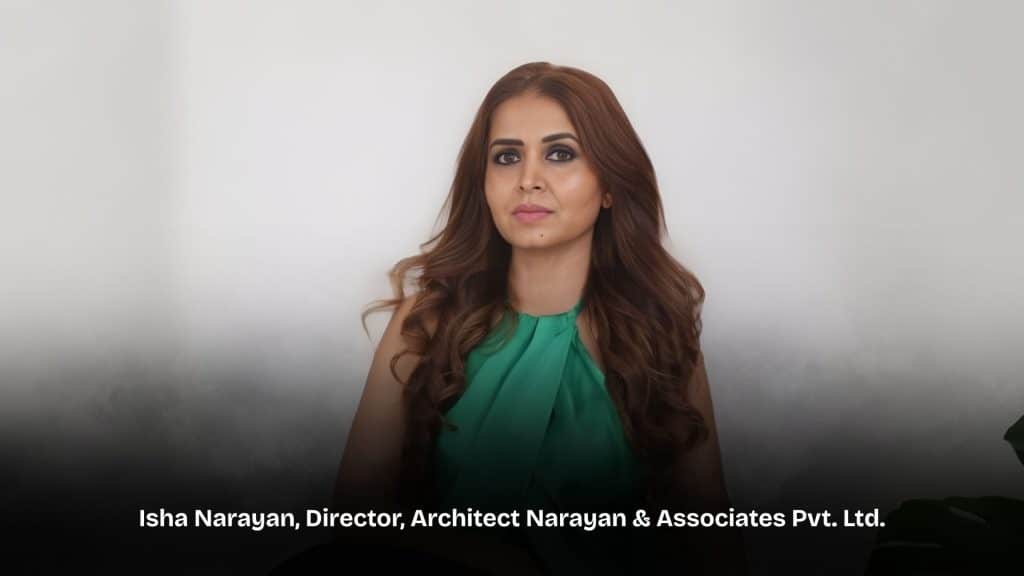
From a design perspective, which smart home investments add the most value to a property?
From a design perspective, the smart features that add the most value to a property are those that blend aesthetics with measurable performance gains in security, comfort, and efficiency. Smart security systems can deliver up to a 5% increase in property value, thanks to features like cameras, smart locks, and video doorbell cameras that greatly enhance safety and buyer confidence. Smart thermostats contribute an additional 3–5% increase by offering energy-saving modes and automated temperature control, which improve comfort while reducing utility bills. Smart lighting typically adds around 2–3% by combining energy-efficient LED solutions with customisable scenes that elevate the ambience of every space. A well-designed home automation hub can add a further 3–5% by integrating all key smart devices into one seamless, centralised control system, creating a premium, user-friendly experience. Finally, energy management systems can contribute an extra 2–4% by optimising overall energy usage, lowering running costs, and strengthening the home’s sustainability profile—all of which resonate strongly with modern, informed buyers.
Do clients generally perceive smart home features as a worthwhile investment for resale or long-term ROI?
Yes, more and more clients now see smart home features as a solid investment, both for resale and long-term use. Homes equipped with thoughtfully selected smart systems often command better prices and attract stronger buyer interest, especially in competitive and luxury markets. Tech-savvy buyers appreciate properties that are “move-in modern,” with automation already integrated rather than added later. Features that improve energy efficiency and security are particularly compelling, as they offer ongoing savings and peace of mind. While clients may still prioritise visible finishes and décor, smart features are increasingly seen as part of the core value proposition of a contemporary home rather than just an optional extra.
Which smart technologies do you recommend to clients for long-term value?
For long-term value, the focus is on reliable, integrated systems rather than one-off gadgets. Smart security solutions—combining cameras, smart locks and video doorbells are always recommended, as they provide clear functional and emotional value. Smart thermostats and climate control systems help reduce energy consumption while keeping the home comfortable, making them a practical investment over the years. Smart lighting with dimming and scene control adds both efficiency and lifestyle benefits. A well-chosen home automation hub that integrates these devices into one ecosystem enhances convenience and makes future upgrades easier. When selecting technologies, it’s important to look at how well devices integrate, whether the system can scale over time, how intuitive the user interface is, and whether professional installation and support are available to ensure everything works as intended.
What are the biggest challenges in aligning client expectations with technology capabilities?
The main challenges arise from the gap between what clients imagine smart technology can do and what it can realistically deliver. Some clients start with very high or vague expectations—wanting “everything automated” without a clear understanding of the underlying cost, time and coordination required. Budget constraints can become a friction point when sophisticated features and high-quality hardware are balanced against overall project costs. Integration is another challenge: not all devices talk to each other seamlessly, and retrofitting can be more complex than clients expect. There is also the human factor—clients and family members may need time and training to feel comfortable using new systems, and evolving technology can make them worry about obsolescence. These challenges are best managed through clear communication, early education, a phased implementation strategy, and ongoing support. By setting realistic expectations and guiding clients through the options, it becomes much easier to deliver smart homes that feel intuitive, robust and future-ready.
Ketan Chavan, Founder, KCL- DESIGN & ARCHITECTURE
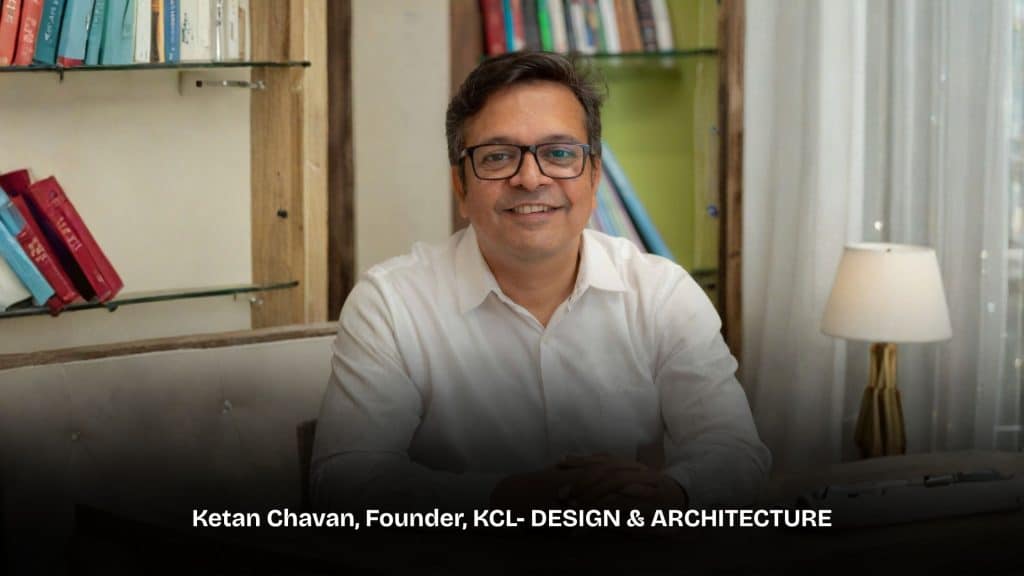
From a design perspective, which smart home investments add the most value to a property?
From a design perspective, the smart home investment that adds most value to the property is lighting automation. Lighting changes the mood of a space, making the home feel modern and luxurious. It also makes the lighting more energy efficient.
The second thing that adds value to property is security solutions like cameras, video door phones, locks, etc. Buyers and end users prioritize safety.
The Third thing on this list would be motorised curtains, which are perceived as luxury and add a wow factor. When integrated with the lighting automation and home entertainment systems, motorised Curtains become an integral part of the scene creation, be it synchronization with sunrise/ sunset or leisure, work and entertainment modes.
Do clients generally perceive smart home features as a worthwhile investment for resale or long-term ROI?
In my experience, clients usually perceive smart home features as a worthwhile investment for personal use. The entire experience is customised to the client’s current needs and usually not with a consideration for resale or long-term ROI. Having said that, the prospective buyer may perceive smart home features as a value addition depending upon the age of the infrastructure, adaptability with current technology trends and daily usefulness.
Are there specific technologies that you recommend to clients for long-term value?
The technologies that we recommend to the clients for long-term value are structured wiring and mesh networking to have a seamless wifi connectivity over the entire house. This future-proofs all other related automation technologies.
What are the biggest challenges in aligning client expectations with technology capabilities?
Smart home technology works best when planned in the early design phase, but many Clients bring it up too late. At that time, we have to rely on retrofit technology, which in many instances is not as reliable.
Budget misalignment is often a challenge. Clients want a high-end automation experience but with a budget for midrange systems. In such a case, the Architect and the Client need to find a balance between cost and reliability
Clients expect the home to be future-proof. It is important for Architects and designers to choose stable ecosystems as products get discontinued, systems get upgraded, new standards evolve and apps get updated.
It is easy to overestimate or underestimate what technology can do. It is important for the Architect to understand and communicate clearly with the client with respect to available systems and technologies, the capabilities and deficiencies of each type of system and then choose the one that is best suited to the requirements and the budget of the Client.
Aesthetic versus Functional conflicts are a challenge. Things like AV equipment requiring Ventilation or smart switches interfering with the design language. Designers must balance both to create seamless aesthetics and tech usability.
Neha Jaene, Founder & Principal Designer, Studio Jaene
From a design perspective, which smart home investments add the most value to a property?
The ones that enhance daily living without overpowering it. Automated lighting, climate control, and security systems consistently add value because they improve comfort and efficiency. Smart curtain systems, integrated sound, and energy-efficient appliances also stand out; they make homes feel intuitive and well thought out. The key is invisibility technology that integrates seamlessly into the design rather than dictating it.
Do clients generally perceive smart home features as a worthwhile investment for resale or long-term ROI?
Yes, especially in the last few years. Buyers are far more aware of the convenience and energy savings these systems bring. A home that’s tech-ready with concealed wiring, structured cabling, and provision for automation signals future readiness, which helps resale. However, beyond ROI, clients are beginning to view these upgrades as lifestyle investments, rather than luxury add-ons.
Are there specific technologies that you recommend to clients for long-term value?
We focus on systems that enhance everyday living while staying adaptable as needs evolve. Smart lighting and temperature control remain the most impactful, as they instantly improve comfort and energy efficiency without altering the aesthetics. Motorised blinds, occupancy sensors, and smart locks are simple, durable additions that elevate convenience and security. What truly adds long-term value is when all these systems integrate seamlessly into universal hubs or platforms that allow upgrades as new devices emerge. This flexibility ensures the home stays relevant, efficient, and aligned with how people actually use their spaces over time.
What are the biggest challenges in aligning client expectations with technology capabilities?
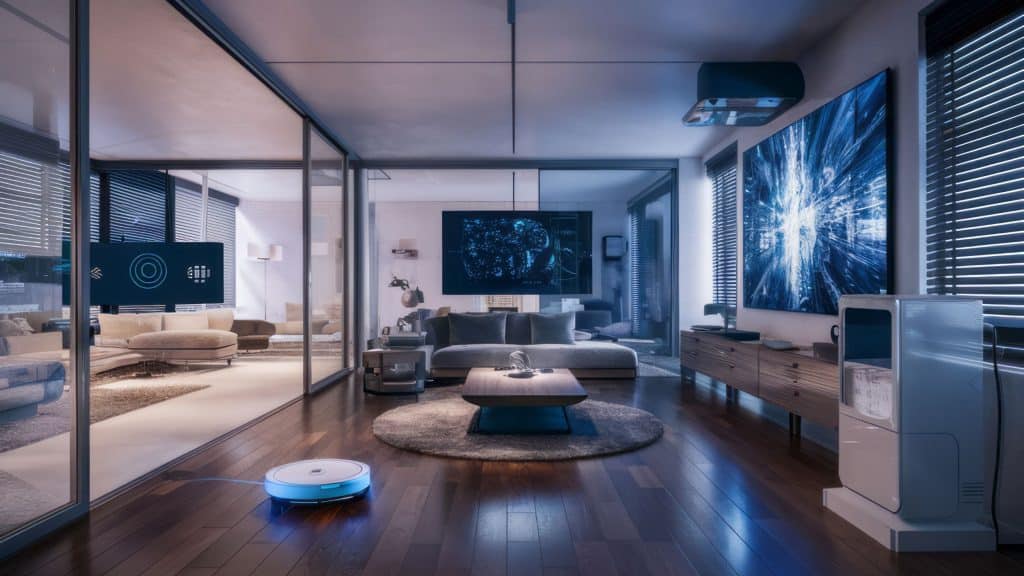
The biggest challenge lies in balancing invisibility with impact. Clients want high performance without visible tech clutter, switches hidden, sensors seamless, and speakers invisible, but that demands thoughtful detailing from the start. Another layer of complexity is ensuring the system feels intuitive. Over-automation can make spaces feel mechanical if not designed around human habits. The key is integration; lighting, shading, and climate systems must respond naturally to how the space is lived in. When done right, technology becomes part of the design language itself, subtle, functional, and quietly elevating the everyday experience.
Overall, the true ROI on a smart home is a blend of numbers and experiences. It is reflected not just in reduced bills or higher property valuations, but in the everyday feeling of living in a space that anticipates, responds and adapts. When technology fades into the background and life at home becomes smoother, safer, healthier and more intuitive, the investment begins to feel less like an expense and more like an upgrade to the way we live. In that sense, smart homes, when thoughtfully planned and well executed, are not just about smart devices—they are about making smarter, more future-ready and more human-centric homes.