
Schneider Electric’s integration of SpaceLogic KNX with Samsung SmartThings brings together professional-grade building automation and a leading smart home ecosystem, enabling seamless control, enhanced energy management, and a more unified user experience. In this interview, Laurent Roussel, discusses the opportunities this integration creates for homeowners, developers, and system integrators.
Schneider Electric recently announced the integration of SpaceLogic KNX with Samsung SmartThings and SmartThings Pro. From a technical perspective, how does this integration work, and which SpaceLogic KNX devices and functions can now be controlled through the SmartThings ecosystem?
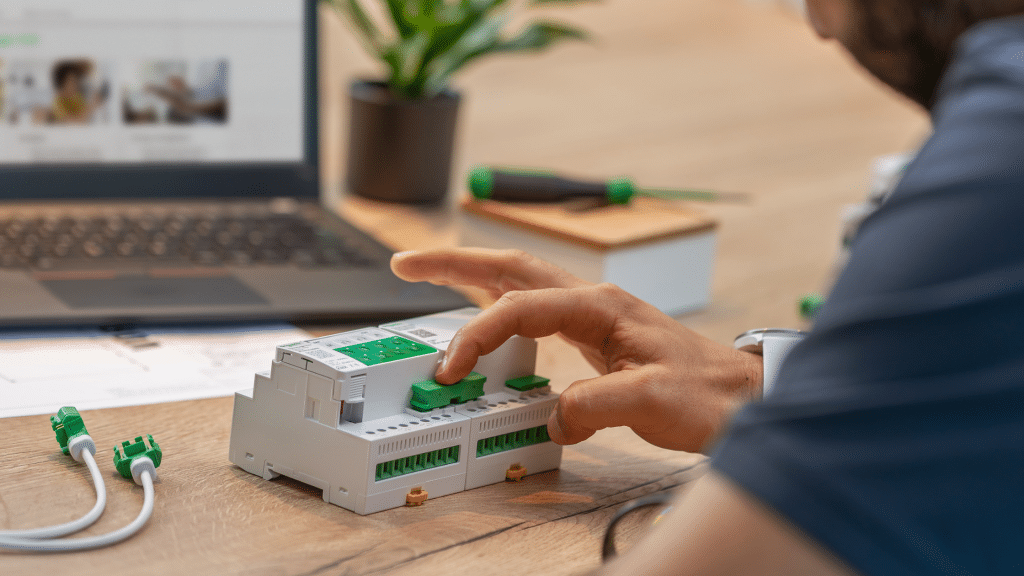
The solution operates through a cloud-to-cloud integration between Samsung SmartThings and Schneider Electric’s KNX ecosystem. It works by integrating supported devices into Schneider’s KNX Logic Controllers, such as Wiser for KNX and spaceLYnk.
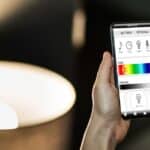
For each integrated device, widget-based controls are created within the Touch visualisation interface. Additionally, cloud connectivity must be enabled on the KNX controller to allow communication with external platforms.
Finally, the end user must have a Wiser KNX mobile application account, which is used to establish the connection with Samsung SmartThings in their mobile App.
The SpaceLogic KNX portfolio encompasses a wide range of building automation products. Which specific product categories, including lighting control, shading, HVAC, room automation, energy metering, and sensors, are currently supported within the SmartThings platform?
At this stage, Schneider Electric has certified at least one device per function within SmartThings, covering a broad range of core building control and sensing use cases. These include switching, dimming, blinds/shading, thermostats, motion sensors, weather stations, air quality sensors, particle sensors, gas sensors, window/door sensors, fire alarms, water leakage alarms, and power meters.
What energy monitoring and management data can be accessed through the integrated platform? Can users track, analyse, and optimise energy consumption at the room, apartment, or building level?
The integrated SpaceLogic KNX and SmartThings platform provides access to key energy monitoring data, combining KNX’s detailed system information with SmartThings’ user-friendly interface.
Users can track real-time and historical energy consumption of selected devices, circuits and systems, where energy metering is available.
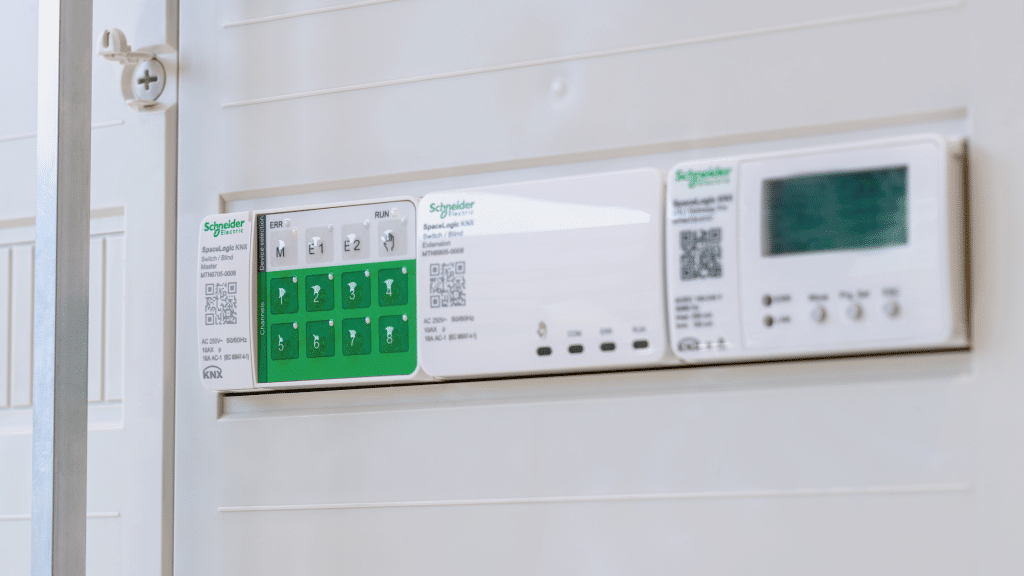
Energy data can be analysed at different levels like room, apartment, or building — as long as the KNX system is configured accordingly. This allows both granular insights and overall consumption tracking.
Through SmartThings, users can easily visualise trends, identify inefficiencies, and optimise usage using automations such as schedules, presence-based control, or energy-saving modes.
In summary, the platform enables users to monitor, analyse, and actively optimise energy consumption within a single, unified ecosystem.
What are the key interoperability advantages of combining an open-standard KNX system with the SmartThings ecosystem? How does this benefit homeowners, developers, and system integrators when incorporating products from multiple manufacturers?
Homeowners
- Greater flexibility: They are not limited to a single brand or ecosystem and can mix high-end KNX installations with affordable consumer smart devices.
- Future-proofing: Open standards ensure long-term compatibility and easier upgrades over time.
- Enhanced lifestyle experience: Integration enables advanced use cases, such as linking appliances or media systems with lighting scenes and environmental controls.
Developers (property developers/specifiers)
- Increased property value: Combining KNX robustness with SmartThings flexibility creates a more attractive and differentiated offering.
- Standardised infrastructure: KNX provides a reliable backbone, while SmartThings allows easy extension without redesigning the system.
- Scalability: Solutions can be adapted across different project segments, from mid-range to luxury.
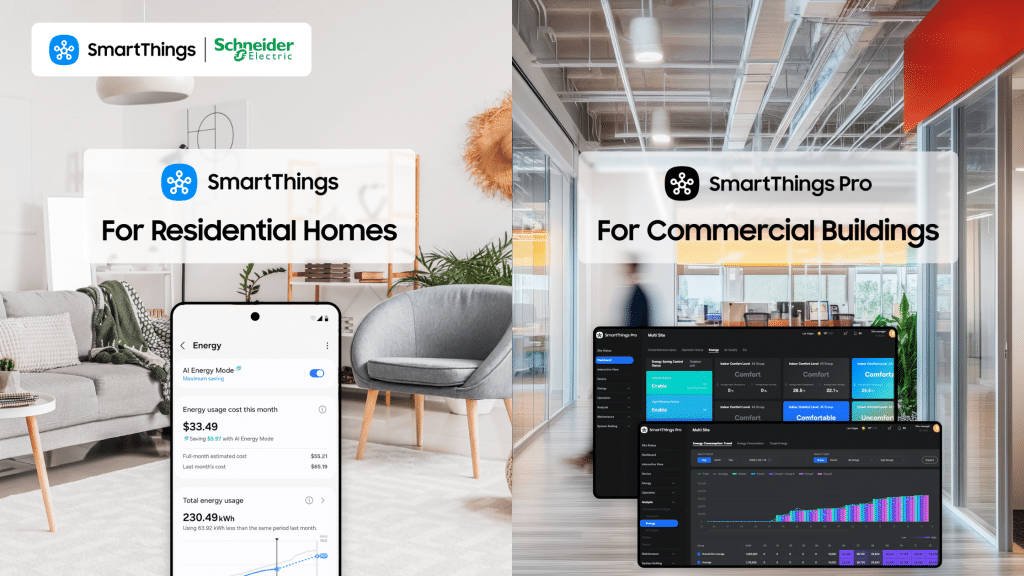
- SmartThings Pro for multi-unit and managed environments: Enables centralised monitoring, control, and management of multiple apartments or spaces, making it ideal for residential developments, hospitality, and mixed-use projects.
- Digital services and differentiation: Allows developers to offer smart building services (e.g. remote access, automation scenarios, tenant apps) as part of the property value proposition.
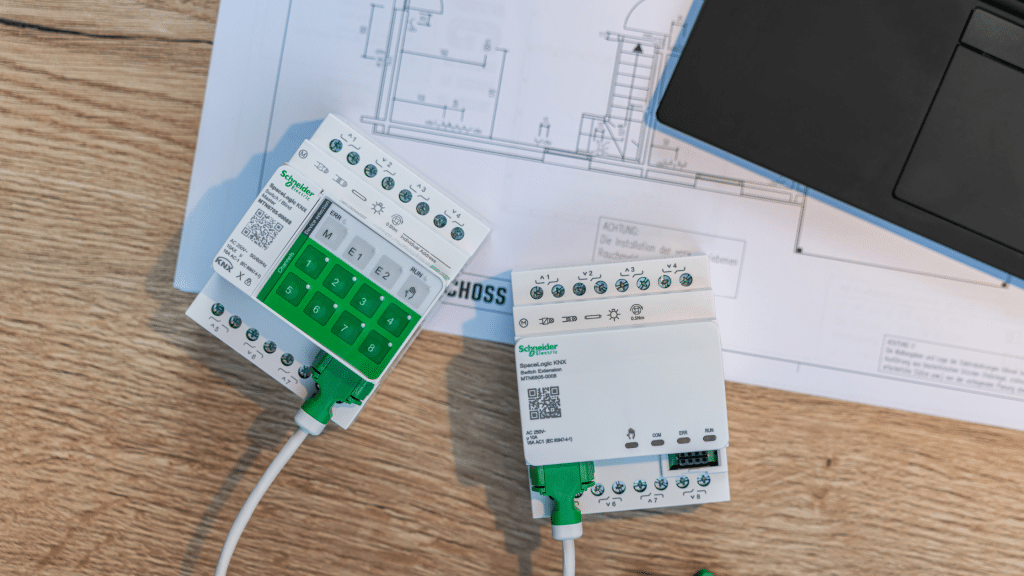
System Integrators
- Simplified multi-brand integration: KNX ensures interoperability at the field level, while SmartThings reduces the effort to integrate third-party consumer devices.
- Remote configuration of the KNX installation through Shneider’s SpaceLogic KNX Remote service.
- SmartThings Pro management capabilities: Provides tools for remote monitoring, diagnostics, and lifecycle management of multiple installations from a single platform
- New service opportunities: Enables recurring revenue models through remote support, maintenance, upgrades, and cloud-based services.
- Faster deployment: Pre-integrated ecosystems reduce engineering effort and speed up project delivery.
In luxury residential projects such as One Hyd Park, where SpaceLogic KNX is already deployed, what additional functionality and user benefits does the SmartThings integration introduce in terms of device management, automation, and connected living experiences
The integration of Samsung SmartThings with SpaceLogic KNX significantly enhances the smart living experience across three key areas:
- Unified Device Management: The combination of Schneider Electric SpaceLogic KNX and Samsung SmartThings enables residents to seamlessly control all KNX systems like lighting, blinds, HVAC, sensors, and energy through a single, intuitive app, eliminating the need for multiple interfaces and simplifying everyday interactions.
- Connected Living & Ecosystem Expansion: Schneider Electric focuses on building an open and future-ready ecosystem. With Samsung SmartThings integration, residents can effortlessly connect a wide range of smart devices, creating a truly unified smart home experience. This also provides the flexibility to add Samsung devices and other SmartThings-compatible products in the future, all managed through one platform—ensuring scalability, convenience, and long-term adaptability.
- Energy Visibility & Optimisation: As a leader in energy management and automation, Schneider Electric leverages Samsung SmartThings to help residents monitor, analyse, and optimise energy consumption. This not only improves operational efficiency but also supports sustainable and energy-conscious living.
From a deployment perspective, does the integration require additional hardware, gateways, or software licenses? How straightforward is the commissioning process for system integrators working on new and retrofit projects?
The integration requires one of our KNX controllers (Wiser for KNX or spaceLYnk), which is connected to Samsung via the cloud. No additional software licenses are required.
Regarding the commissioning process, if a SpaceLogic KNX system is already installed and configured with a controller and the Wiser KNX app, enabling SmartThings integration is straightforward. Simply download the Samsung SmartThings app, search for Schneider Electric in the partner list, and log in using your existing Wiser KNX account. All supported devices, previously configured in the system for use with the Wiser KNX app, will then be automatically imported into SmartThings and can be operated immediately.
Cybersecurity and system reliability are critical considerations in connected environments. What measures have been implemented to ensure secure communication and data exchange between the SpaceLogic KNX and SmartThings platforms?
Schneider Electric takes security and privacy very seriously. All Schneider Electric systems and solutions undergo continuous cybersecurity assessments, including regular penetration testing, to ensure that all components and software libraries remain up to date and secure.
What opportunities does this integration create for system integrators and smart home professionals looking to deliver more comprehensive automation, energy management, and user-centric experiences through a single ecosystem?
For Broader ecosystem integration, Integrators can extend their SpaceLogic KNX installations into a wider smart home ecosystem. Through SmartThings, KNX systems can interact with a large number of third-party devices such as appliances, consumer electronics, sensors, and IoT products. This enables professionals to deliver more comprehensive and future-proof solutions without being limited to the KNX device universe.
For an enhanced user experience, the integration provides a single, user-friendly interface via the SmartThings app. End users benefit from a familiar, consumer-grade experience, including unified control, automation routines, and remote access. This improves usability compared to fragmented control across multiple apps, increasing customer satisfaction and adoption.
New automation and use case scenarios
By combining SpaceLogic KNX with SmartThings, integrators can unlock more advanced automation scenarios, such as:
- Linking KNX lighting, shading, and HVAC with Samsung appliances
- Creating cross-domain routines (e.g. energy-saving modes, presence simulation, or comfort scenes)
- Leveraging cloud-based triggers and smart services beyond the KNX standard
This expands the value proposition from pure building control to holistic smart living experiences.
- Energy management optimization: The integration enables more intelligent energy management, combining KNX-based control (e.g. HVAC, blinds, loads) with SmartThings energy insights and connected devices. This allows integrators to deliver solutions focused on:
- Energy monitoring and optimization
- Demand-based control strategies
- Integration with wider home energy ecosystems
This is particularly relevant given the increasing focus on sustainability and energy efficiency.
- When it comes to Differentiation and added value for integrators
System integrators can differentiate themselves by offering:- A premium, KNX-based backbone with consumer-friendly overlays
- Faster project delivery through reuse of existing KNX configurations
- Upsell opportunities through additional services, devices, and automations
This shifts their role from pure installers to solution providers delivering end-to-end smart home experiences.
3. Scalability and future readiness: Cloud-based integration ensures that installations remain scalable and upgradable, allowing new features, devices, and services to be added over time without major on-site changes. This supports long-term customer relationships and recurring value creation.