
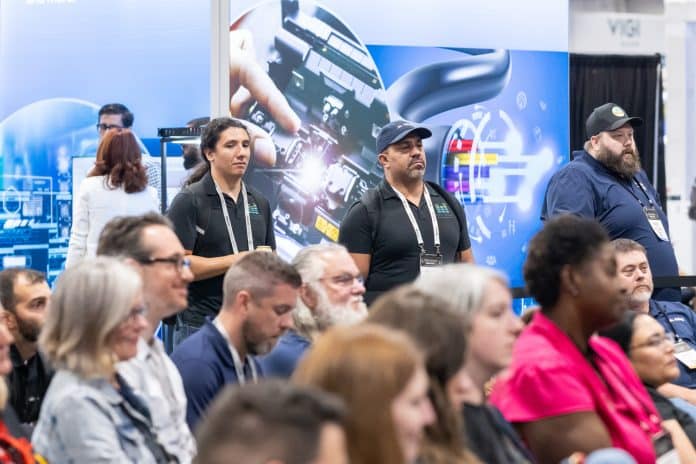
From AI-powered control and spatial sensing to architectural lighting, immersive home cinema, advanced networking, intelligent shading and outdoor entertainment, CEDIA Expo 2026 offered a glimpse into the next generation of smart living.
CEDIA Expo 2026, held from September 1–4 at the Colorado Convention Centre in Denver, brought together more than 300 brands and thousands of smart-home, AV, design and technology professionals. With nearly 200 new products featured in the official new-product directory, the scale of innovation on display reflected how rapidly the connected-home industry is evolving.
Yet the most interesting aspect of this year’s show was not any single product. It was the direction of the industry. Smart homes are gradually moving away from being collections of connected devices towards becoming intelligent, responsive environments. AI is moving deeper into control and programming, networking is becoming the backbone of the home, lighting and shading are becoming architectural systems, and audio and video are being designed to blend more naturally into interiors.
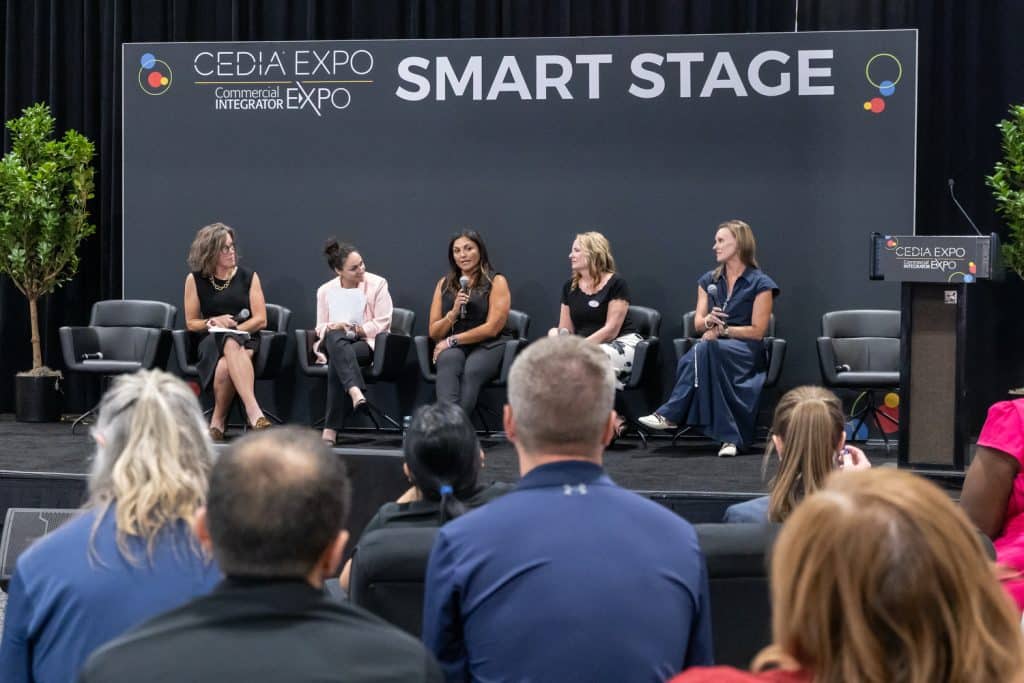
AI Moves From Voice Control to the Core of the Smart Home
Artificial Intelligence was one of the strongest themes running through CEDIA Expo 2026. Rather than being limited to voice commands, AI is beginning to influence how smart homes are designed, programmed and operated.
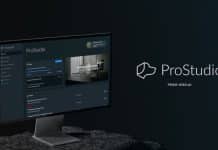
Josh.ai was one of the clearest examples. Its ProStudio platform brings AI into the integrator workflow, with tools including AI Programming Assist, Nimble DevSuite and an AI Help Centre. The objective is to simplify programming and reduce some of the repetitive work involved in deploying sophisticated automation systems.
Crestron took a similar approach with Configure Pro, a no-code environment designed to guide integrators through system design, configuration and management. Its visual workflows, third-party driver support and sequence-building tools point towards a future where programming becomes more accessible without necessarily reducing the sophistication of the final installation.
The importance of this shift goes beyond convenience. As systems become more complex, the ability to design, configure and maintain them efficiently becomes just as important as the hardware itself. AI and software are therefore becoming part of the infrastructure of the smart-home industry.
Aqara added another dimension to this conversation through spatial intelligence. The company showcased its next-generation spatial sensing technologies, including the Spatial Sensor PR430P and Spatial Multi-Sensor FP400 Pro. These technologies are designed to understand movement, occupancy and activity within a space rather than simply detect whether something is present.
Alongside AI, software emerged as one of the less visible but increasingly important developments at CEDIA.
D-Tools Cloud demonstrated how project design, sales, inventory and documentation can be brought together into a more unified workflow, while ProjX360 focuses on keeping project information, tasks and business processes organised in one environment. The shift is significant because the modern smart-home project involves far more than installing hardware.
There are proposals, drawings, programming, commissioning, service calls, remote monitoring and long-term maintenance to manage. As a result, software is becoming an essential part of the integrator’s toolkit.
Savant is also moving in this direction. At CEDIA Expo 2026, the company highlighted SavantOS 12, Savant AI, GE Proseo lighting and shading, and energy-management solutions. Its strategy brings automation, AI, lighting, shading and energy into a broader platform, demonstrating how the smart home is expanding beyond conventional control.
The homeowner may ultimately experience this simply as an easy-to-use app or interface, but behind that experience is an increasingly sophisticated software ecosystem.
ADI also used CEDIA to demonstrate its broader Smart Living ecosystem, bringing networking, control and AV products together under a more unified professional-installation proposition. Araknis Networks’ Wi-Fi 7 solutions reinforce the industry’s move towards faster and more capable wireless infrastructure.
Lighting Becomes an Experience
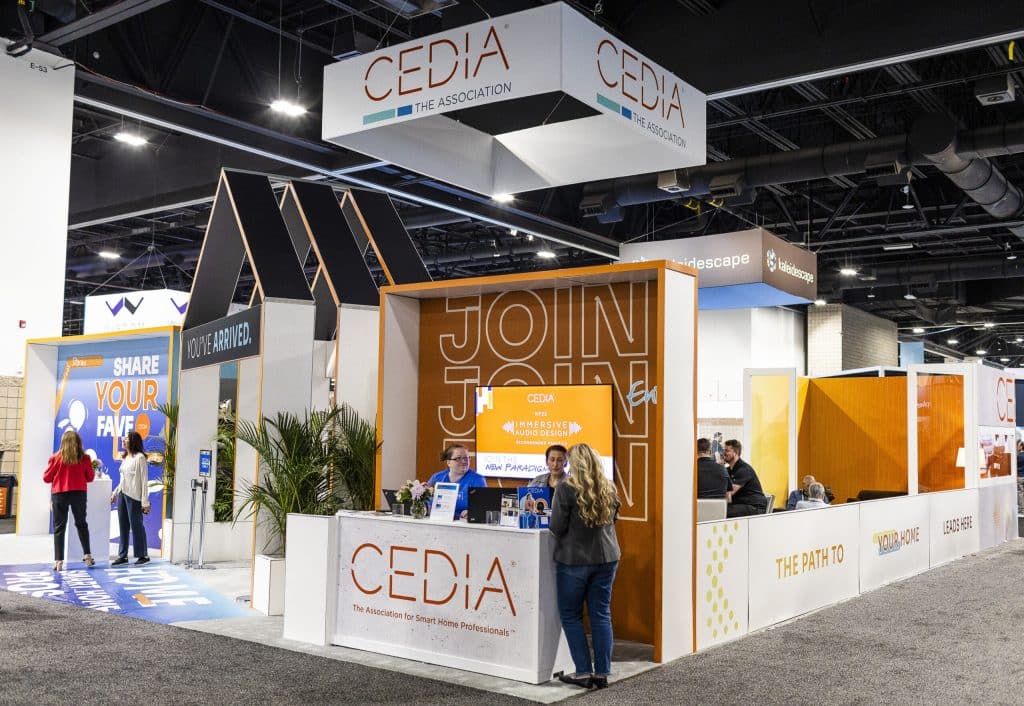
Lighting continued to move beyond simple on/off and dimming control. At CEDIA 2026, the emphasis was on creating environments that could change with the time of day, activity and mood.
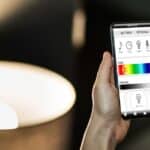
Lutron remained a major force in this category, presenting intelligent lighting, automated window treatments, controls, software and partner solutions. Its Ketra technology and newer lighting products demonstrate how colour, intensity and temperature can be manipulated as part of an overall lighting experience. The company’s 2026 CEDIA programme specifically highlighted the integration of lighting, shades and controls.
The Ketra D2 Remodeler Downlight, with its compact aperture and colour-tunable capabilities, illustrates how sophisticated lighting can be introduced without compromising the architectural language of a room.
Savant’s GE Proseo range takes another route, bringing intelligent lighting and shading into the same ecosystem as home control. ADI’s Vibrant Smart Bulbs and Recessed Trim Lights similarly reflect the growing demand for lighting that can be controlled as part of a broader connected environment.
Shading Moves Into the Core of Automation
Lutron’s Palladiom Drapery combines architectural hardware with automation while keeping much of the technology discreetly integrated. Its presence at CEDIA 2026 reinforces the growing role of shading within the luxury smart-home experience. Lutron’s wider platform brings lighting, shades and controls together rather than treating them as independent systems.
Somfy expanded the conversation around installation flexibility with its range of wired, WireFree and PoE shading solutions. At CEDIA Expo 2026, the company highlighted technologies including the Sonesse 30 PoE, Glydea ULTRA 50 WireFree Zigbee drapery motor and Top-down Bottom-up 45 WireFree Zigbee motor. The company also demonstrated native integration possibilities with connected-home systems.
Home Cinema Remains a Major Attraction
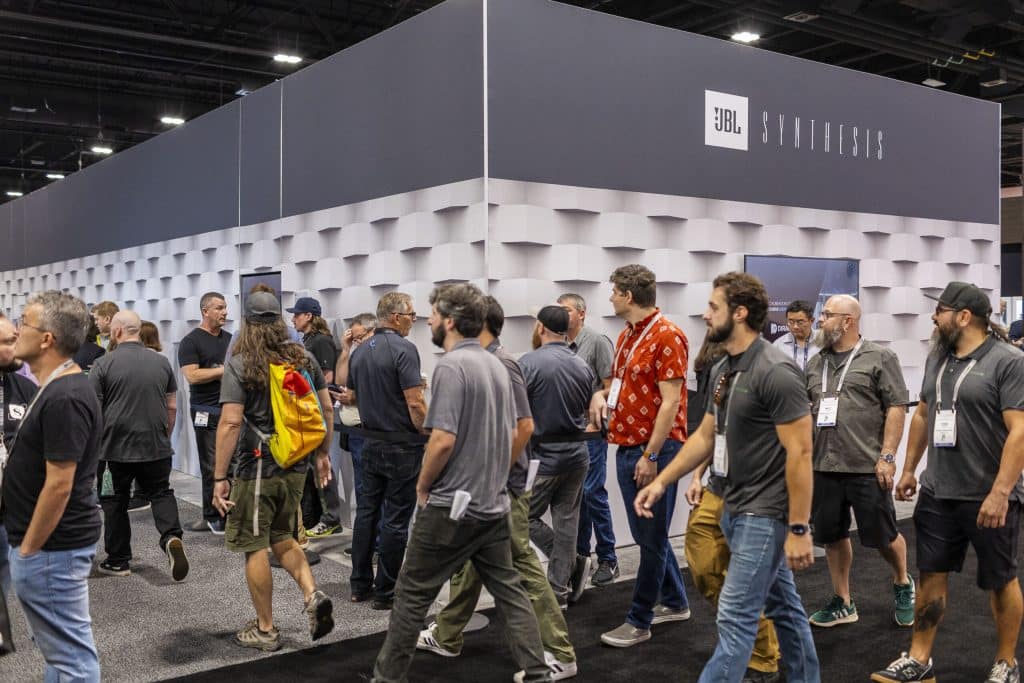
Despite the growing emphasis on AI and software, home cinema remained one of CEDIA’s most compelling physical experiences.
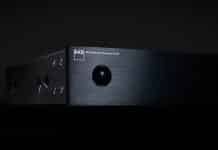
Procella showcased its refreshed P8 2026 loudspeaker and UNO subwoofer platform, continuing its focus on high-output cinema performance. StormAudio’s EVO One brought advanced processing into the immersive home-theatre environment, while DSPeaker’s ShakEQ addressed the low-frequency experience by providing processing and calibration for bass shakers and tactile transducers.
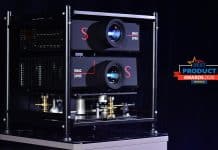
Theory Audio Design’s P9 Pendant demonstrated how immersive audio can be approached from a more architectural direction. Meanwhile, JVC’s D-ILA projectors continued to demonstrate the role of high-resolution projection in dedicated cinema environments.
Devialet offered perhaps one of the more distinctive approaches to this category. Its Phantom Ultimate CI brings the company’s distinctive speaker architecture into the custom-installation market. The company’s Phantom Ultimate Theater can be configured for stereo, multichannel and Dolby Atmos applications, while Audio over IP connectivity is designed to provide a zero-latency connection.
For the high-end homeowner, the attraction is increasingly about creating a cinema that feels like a complete sensory experience rather than simply installing a large screen and a collection of speakers.
Barco Residential demonstrated how the boundary between cinema and lifestyle entertainment is changing. At CEDIA 2026, the company presented its Runar HDR in a dedicated theatre environment and Vali NT0.9-I in a contemporary living-room setting. The combination of Barco Residential, Focal and Naim in the same experience also highlighted how premium video and audio are increasingly being designed as complete entertainment environments.
Loewe brought a distinctly design-led perspective. Its stellar OLED range combines OLED display technology with premium materials and a strong emphasis on the television as a piece of furniture. Selected configurations incorporate features such as HDMI 2.1, high refresh rates and smart-home connectivity, including Matter support.
Security Becomes Part of the Experience
Security is also becoming more deeply integrated into the smart home.
DoorBird used CEDIA 2026 to present its latest IP access-control technologies, including the D22x series, forthcoming D31x 5G models and its new generation of indoor stations. The D31 5G is particularly interesting because it brings integrated 5G connectivity to an IP video door station, creating possibilities for remote locations, gates, retrofit projects and installations where conventional network infrastructure may be limited.
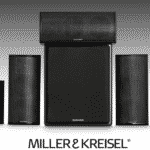
At the entertainment end, Barco, Loewe, Devialet, DALI, Bluesound, M&K Sound, Procella and Theory Audio demonstrated different approaches to premium audio and video. Meanwhile, Stealth Acoustics and architectural lighting brands showed that performance does not have to come at the expense of interior design.
Beyond the exhibition floor, CEDIA Expo 2026 offered a packed programme of education, networking and hands-on experiences. The show conducted Manufacturer Training Sessions, Industry Panels, live AV demonstrations and the new Skills Challenge, alongside the Technology Designer Day of Discovery, Women in Consumer Technology Luncheon and CEDIA Awards. With guided tours, networking receptions and dedicated sessions for designers, architects and integrators, the event created plenty of opportunities to learn, exchange ideas and connect with the wider smart home community.