
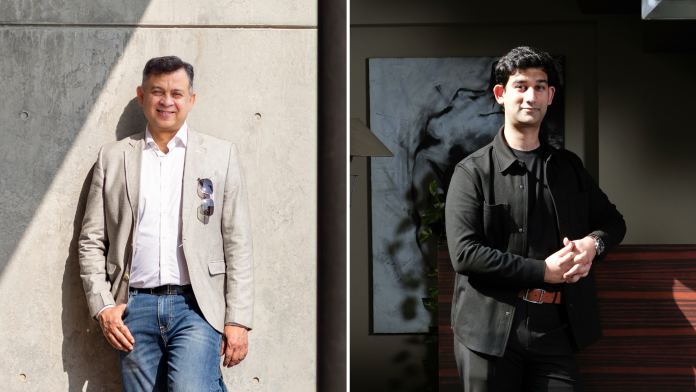
Offering a rare cross-generational perspective, Zafar Choudhary, Founding Partner, Habitat Architects and Sahir Choudhary, Director, Operations & Sr. Architect, Habitat Architects, come together to discuss how smart home technology is reshaping contemporary design practice. While Zafar’s approach is rooted in years of architectural experience and spatial sensibility, Sahir represents a new, technology-forward mindset driven by data, immersive tools, and systems integration.
Their combined viewpoint reveals a clear shift, where automation is no longer an added layer but an intrinsic part of design thinking, quietly influencing planning decisions, enhancing user comfort, and enabling homes to become more intuitive, efficient, and future-ready.
Q: Could you briefly share your design journey and how smart technology has become an integral part of your projects?
Sahir Choudhary: My training and practice sit at the intersection of architecture, technology, and building systems. Early exposure to VR, AR, and data-driven design made it clear that technology is not an add-on but a design layer. Today, smart systems are integrated at the planning stage, aligned with grids, ceiling depths, and spatial hierarchy, so performance, comfort, and usability are resolved alongside architecture, not after it.
Q: In which segments do you find smart lighting and climate control most effective, and which brands have you used in your projects?
Sahir Choudhary: Smart lighting and climate control deliver the highest impact in luxury residences, hospitality, clubhouses, and mixed-use developments. We regularly use DALI-based lighting systems, KNX climate integration, and brands such as Lutron, Schneider, ABB, Basalte, and Philips Dynalite are chosen for reliability, scalability, and clean integration with architectural intent.
Q: How are integrated security solutions incorporated without affecting interior aesthetics, and which brands do you typically rely on?
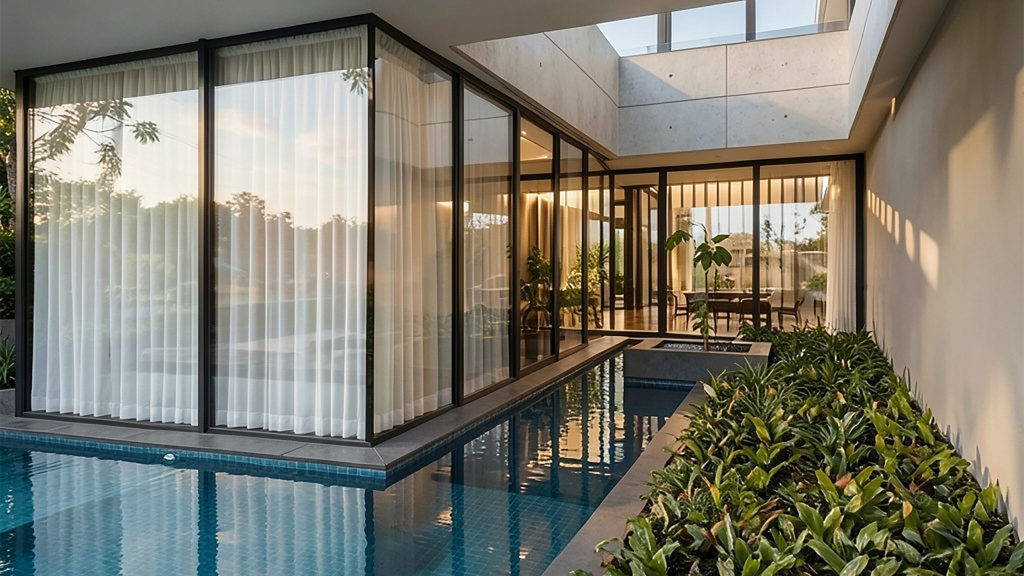
Sahir Choudhary: Security is planned as an invisible layer. Cameras, sensors, and access controls are coordinated with ceiling plans, millwork, and facade details from day one. We typically rely on systems from Honeywell, Hikvision (enterprise-grade), Control4 integrations, and KNX-compatible security modules, ensuring technology remains discreet while performance stays uncompromised.
Q: How does early collaboration with system integrators and automation brands influence the performance, reliability, and usability of your projects?
Sahir Choudhary: Early collaboration is critical. When integrators are involved during schematic design, we avoid conflicts around ceiling heights, shaft planning, and service zones. This results in better system reliability, cleaner detailing, reduced site rework, and significantly improved post-occupancy user experience.
Q: Can you share a recent project where smart home technology significantly shaped design decisions, and what key solutions were implemented?
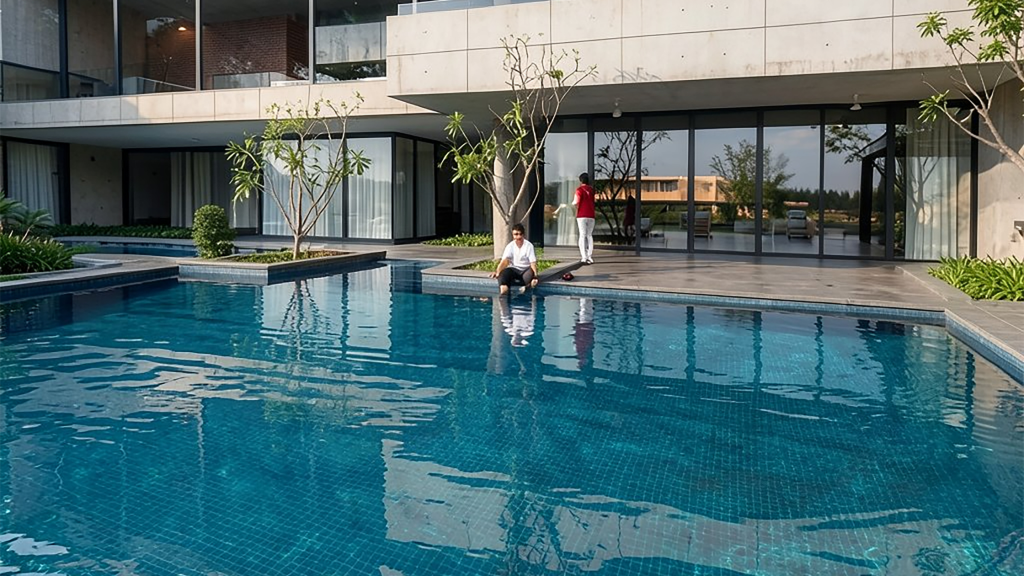
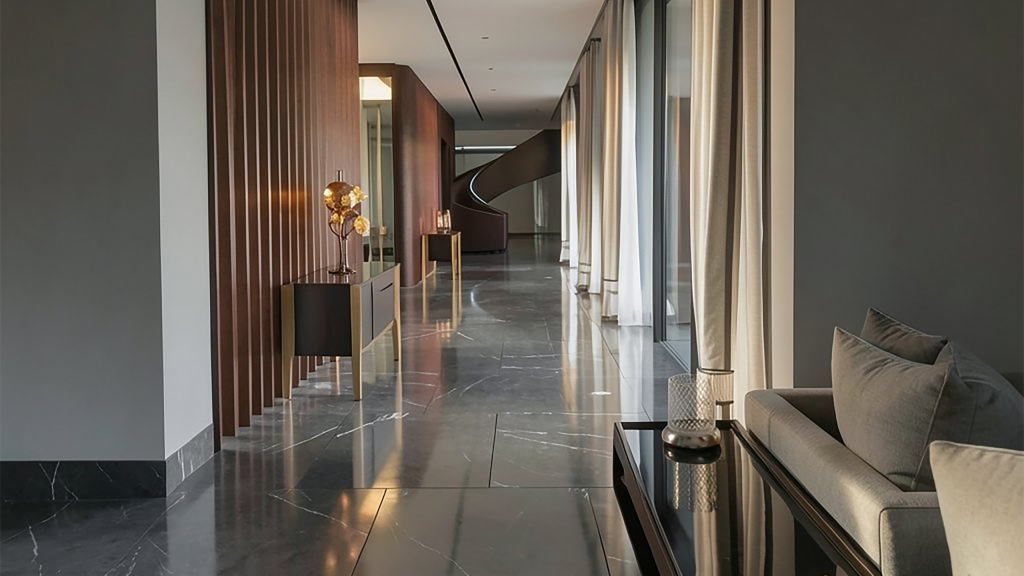
Zafar Choudhary: In a recent high-end residential project, smart technology influenced everything from ceiling depths to material junctions. Integrated lighting scenes, adaptive climate zoning, motorised shading, and centralised controls were embedded into the architecture. The design outcome was cleaner, quieter, and more intuitive, technology shaping space, not cluttering it.
Q: Do you prefer wired or wireless solutions, and which standards do you typically specify?
Sahir Choudhary: For primary systems, we prefer wired solutions, especially KNX and DALI for stability, longevity, and future scalability. Wireless systems are selectively used for retrofits or secondary functions. The focus is always on long-term performance rather than short-term convenience.
Q: What scope do you see for smart technologies in Indian residential architecture, and which solutions do you prefer in your projects?
Sahir Choudhary: India is at a strong inflection point. Beyond convenience, smart systems are increasingly about energy optimisation, thermal comfort, security, and wellness. We prioritise climate-responsive automation, daylight-linked lighting, efficient HVAC controls, and systems that adapt to Indian lifestyles and usage patterns.
Q: How do homeowners interact with smart home automation post-occupancy, and how does this feedback influence your design and technology choices?
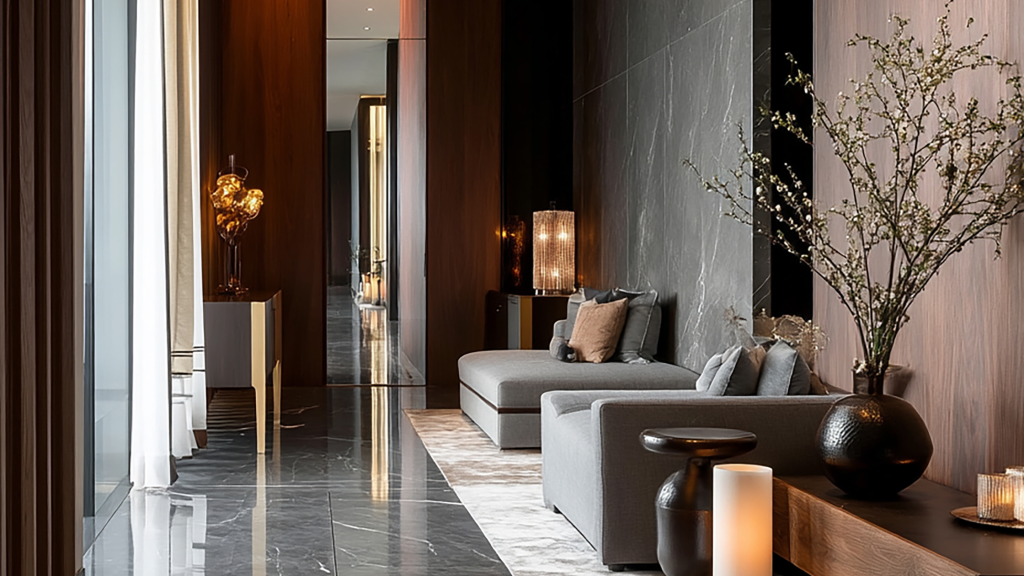
Zafar Choudhary: Post-occupancy feedback consistently shows that simplicity matters more than features. Homeowners prefer intuitive interfaces, reliable scenes, and minimal intervention. This feedback directly influences our specifications, pushing us toward fewer but better-integrated systems with clear usability.
Q: Based on your recent projects, what future-ready considerations are essential when designing homes with integrated smart technologies?
Sahir Choudhary: Future-ready homes require flexible infrastructure: oversized conduits, accessible service zones, modular control systems, and open protocols. Designing for upgrades, not obsolescence, is essential. Smart technology should evolve with the home, quietly, efficiently, and without architectural compromise.