
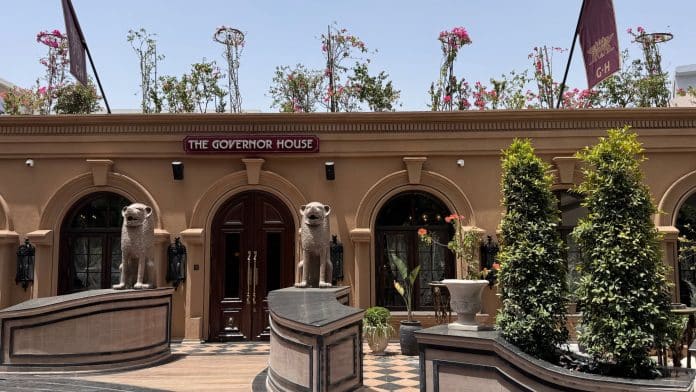
At The Governor House in Amritsar, Karan Singh of The Otimizar Automation Studio by Gokal Chand demonstrates how intelligent lighting and automation can seamlessly enhance a heritage-inspired hospitality experience, blending colonial charm with modern control.
In an era where hospitality spaces are increasingly turning to technology to enhance guest experiences, the real challenge lies in integrating smart systems without compromising the essence of a carefully crafted design narrative. At the Governor House in Amritsar, automation does not take centre stage, but it quietly orchestrates the experience behind the scenes.
This project demonstrates how intelligent lighting control can become an integral part of storytelling, preserve the charm of a bygone era while deliver the operational efficiency expected from a modern hospitality destination.
A Journey Back to the British Colonial Era
The vision behind The Governor House was ambitious from the outset. Inspired by the British Colonial Era, the project sought to recreate the elegance, sophistication, and grandeur associated with the residences of colonial governors. The building itself carried historical significance, having once served as the residence of a Governor from the British Empire, making the concept both authentic and deeply contextual.
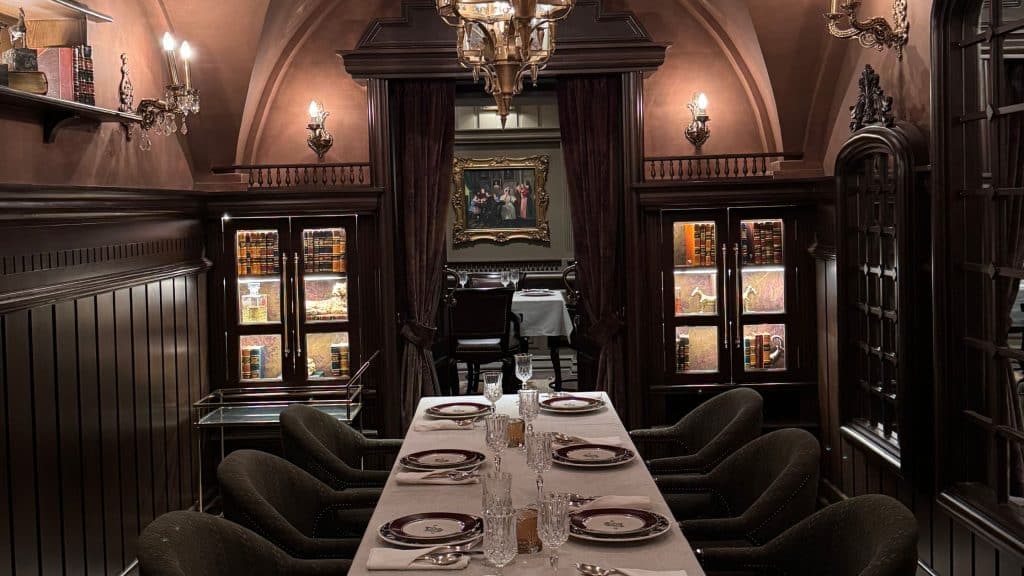
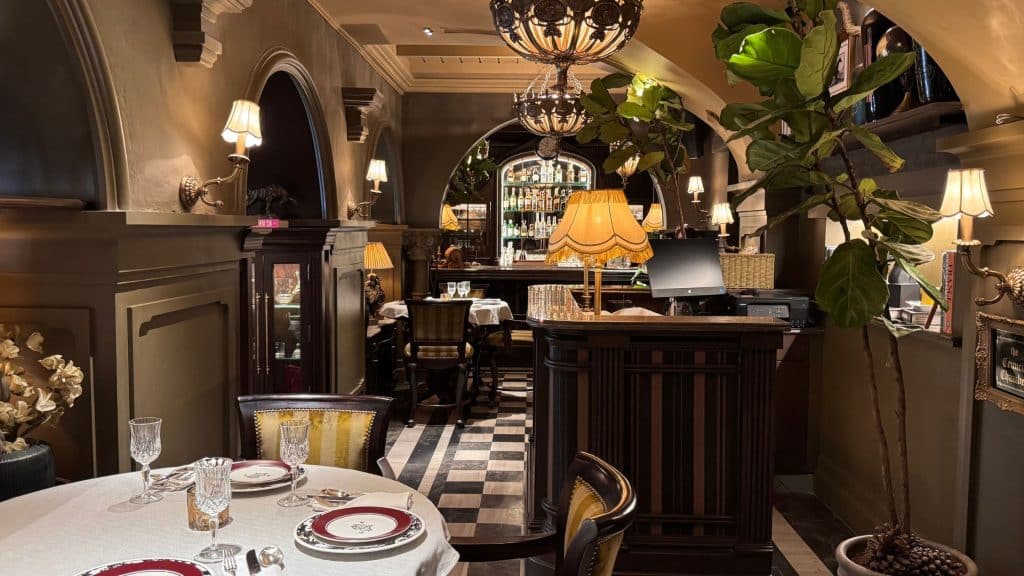
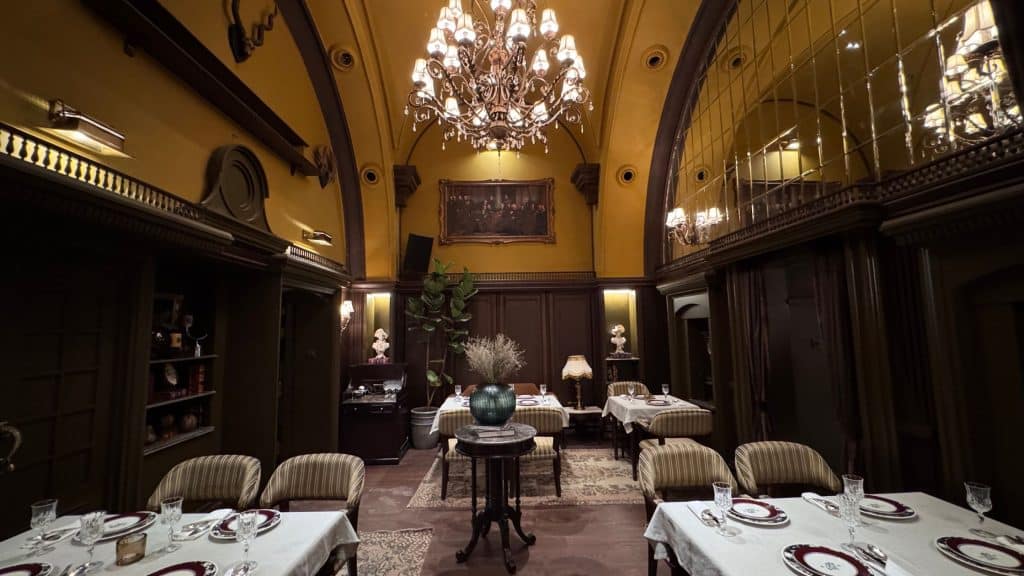
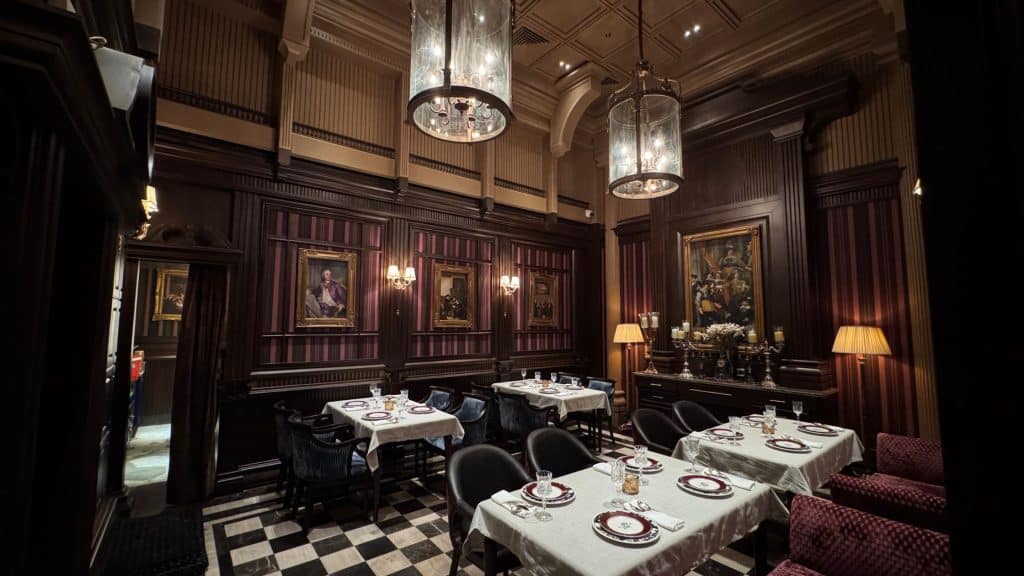
Every design element contributes to this narrative. Vintage decor pieces, carefully curated furniture, ornate chandeliers, wall sconces, and a grand piano positioned prominently at the entrance collectively transport visitors into another time. The various dining spaces have been thoughtfully named and designed to reflect the private quarters of a colonial residence, from The Reading Room to the Drawing Chambers.
“The objective was not simply to create a restaurant but to deliver an immersive experience that bridges generations and offers guests something unique within India’s hospitality landscape,” explains Karan.
Technology Designed Around Atmosphere
While many hospitality projects focus on integrating multiple layers of technology, from audio and video systems to digital signage and guest management platforms, the emphasis at The Governor House was firmly on one critical aspect: lighting.
According to Karan Singh, “Lighting was central to achieving the desired ambience. The challenge was to create an environment that captured the warmth and elegance of a nineteenth-century colonial residence while providing the flexibility required for modern restaurant operations.”
To achieve this, the project combines DALI-based lighting control for ceiling-mounted COB fixtures and spotlights with sophisticated phase-cut dimming for decorative lighting installations. This was particularly important because the restaurant’s visual identity relies heavily on chandeliers, wall lights, and traditional filament bulbs that contribute significantly to the overall aesthetic.
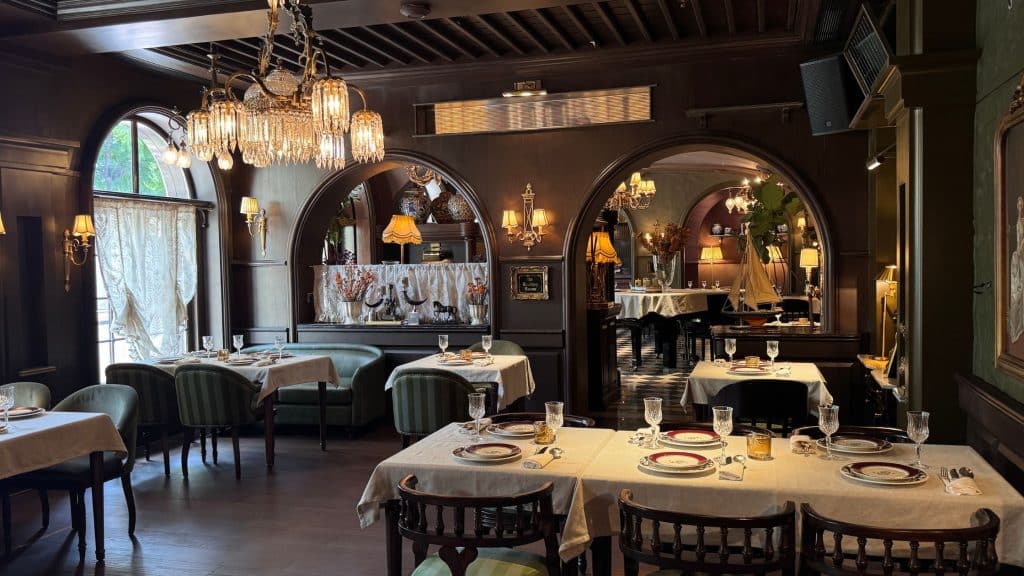
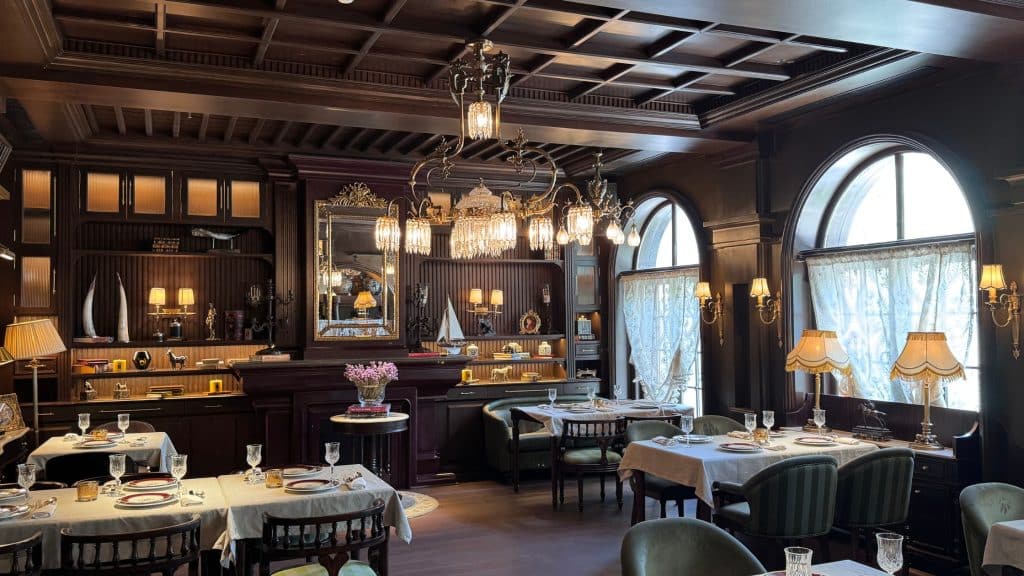
Unlike conventional hospitality lighting solutions that often prioritise efficiency over atmosphere, the lighting strategy here was developed to accentuate the architecture and decor. The warm glow produced by filament lamps helps preserve the authenticity of the colonial theme while allowing operators to adjust brightness levels according to the time of day, occupancy, and type of event.
KNX at the Core
The automation backbone of the project is built on the globally recognised KNX platform, with Interra KNX actuators forming the foundation of the control system.
Beyond managing dimmable fixtures, the KNX infrastructure controls several operational elements throughout the property, including non-dimmable lighting circuits, outdoor façade lighting, illuminated signage, fountain lighting, and fountain motor operations.
This centralised approach ensures that multiple systems can be managed efficiently while maintaining consistency across the property.
For a hospitality venue that relies heavily on visual impact, such synchronisation becomes critical. Outdoor lighting, entrance features, and interior ambience all work together to create a cohesive guest experience from arrival through departure.
Creating Flexibility for Restaurant Operations
One of the most interesting aspects of the project was the operational requirement presented by the restaurant management team.
This property is not a single open-plan dining venue. Instead, it consists of several themed halls and private dining rooms, each capable of hosting different types of gatherings simultaneously. A private family celebration may be taking place in one room while another space hosts a corporate dinner or regular dining service. This created a unique challenge for the automation design.
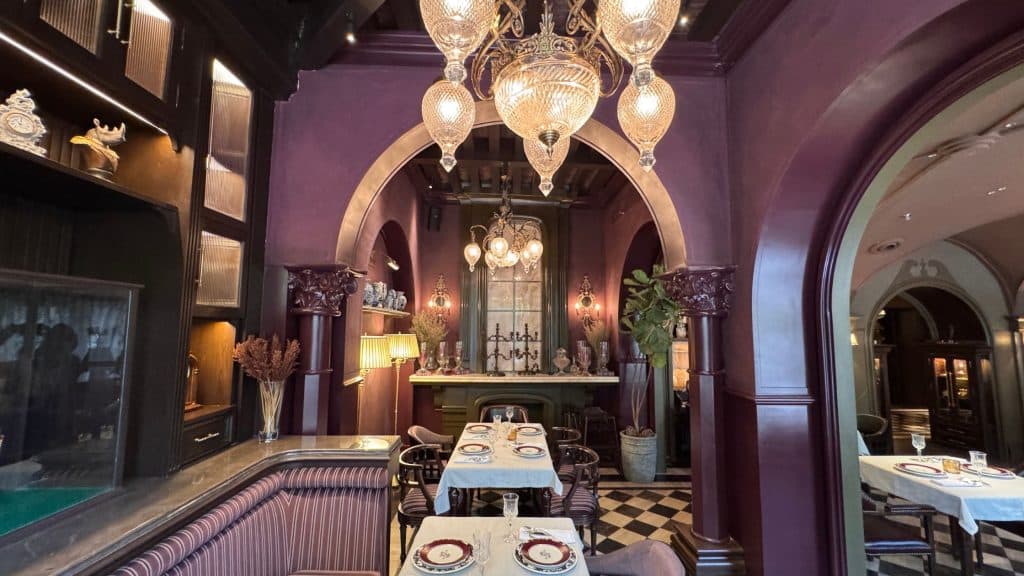
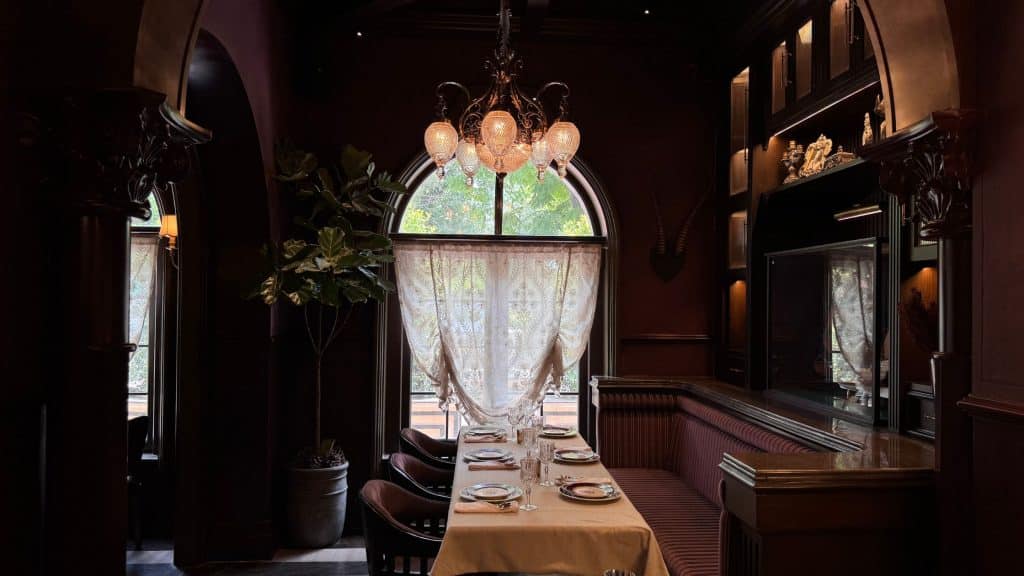
The operations team wanted a control system that could offer simplicity when needed while retaining the flexibility to manage individual spaces independently. The solution was to create a layered scene-control architecture.
Master scenes allow staff to control the entire venue through a single command, simplifying opening, closing, and event management procedures. At the same time, each room can be operated independently, with dedicated lighting scenes tailored to its specific ambience and function.
The system even allows operators to fine-tune individual fixtures, an important capability given the multiple layers of decorative, accent, and architectural lighting incorporated throughout the restaurant.
An Interface Built for Ease of Use
Technology is only effective if it is easy to operate. Recognising this, the team selected a 10-inch touch panel from Goldmedal as the primary user interface.
The interface was customised extensively to suit the operational needs of the venue. Dedicated pages were created for individual halls, enabling staff members to navigate between spaces quickly and make adjustments without requiring technical expertise.
The result is a control environment that remains intuitive despite the complexity of the underlying infrastructure.
To further enhance flexibility, the installation also incorporates Pairot from xxter Technologies, a bridge that connects the KNX ecosystem with Apple HomeKit, Google Home, and Amazon Alexa platforms. This integration opens up future possibilities for voice control and expanded automation scenarios while ensuring compatibility with broader smart building ecosystems.
Smart Automation with an Eye on Sustainability
While guest experience and operational convenience were key priorities, the project also incorporates automation features designed to improve energy efficiency.
KNX presence sensors installed in washroom areas automatically manage lighting based on occupancy, reducing unnecessary energy consumption while ensuring user comfort. Although subtle, these interventions contribute to the overall efficiency of the property and demonstrate how even heritage-inspired spaces can benefit from modern smart-building principles.
Technology Integrated
What makes The Governor House particularly noteworthy is that automation was never treated as an add-on. Instead, technology was carefully woven into the design vision from the beginning.
The project demonstrates that successful hospitality automation is not necessarily about the number of systems installed. Rather, it is about understanding how technology can support architecture, operations, and guest experience simultaneously.
By combining KNX-based control, DALI lighting management, sophisticated dimming solutions, customised scene control, and intuitive user interfaces, the team has created an environment where technology enhances the atmosphere without drawing attention to itself.
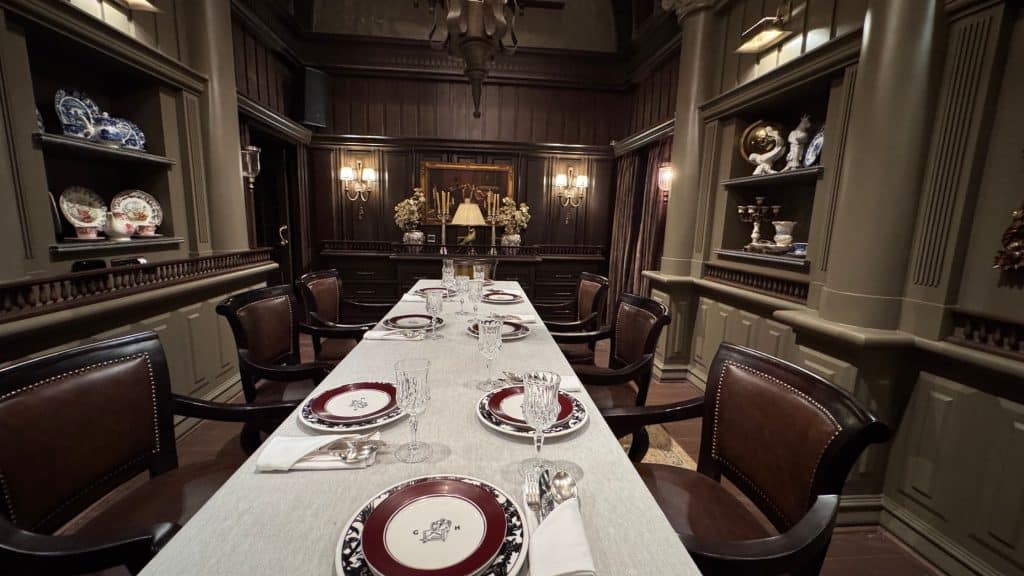
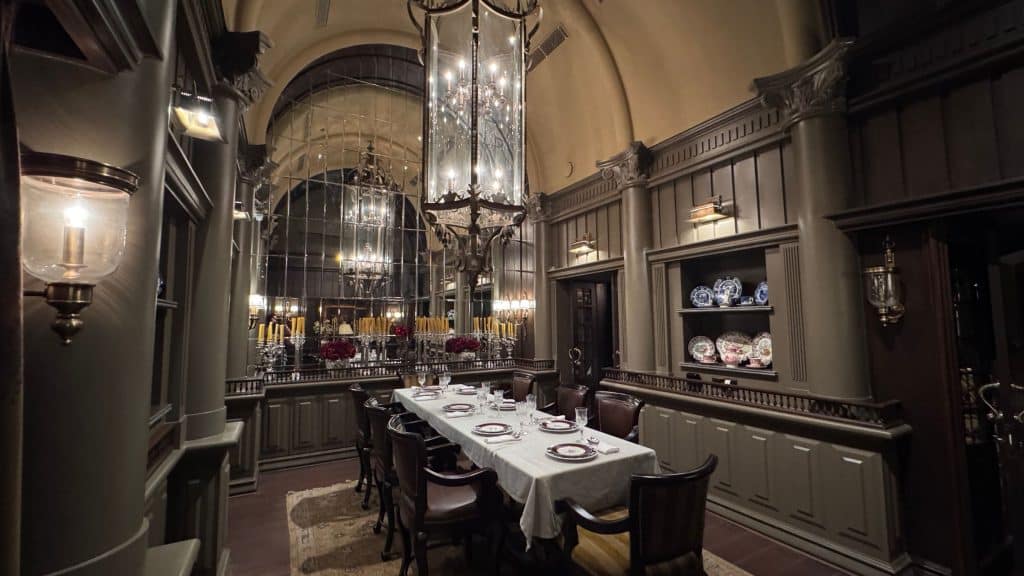
Guests may admire the chandeliers, appreciate the warmth of the lighting, and enjoy the immersive colonial setting without ever realising the sophisticated automation infrastructure working behind the scenes. For Smart Home World readers, The Governor’s House serves as an excellent example of how intelligent control systems can preserve heritage-inspired design while delivering the flexibility, efficiency, and user experience demanded by modern hospitality environments.
Technology Insight
- Architect & Interior Designer: Sanchit Arora, Studio Renesa
- System Integrator: Karan Singh, The Otimizar Automation Studio by Gokal Chand
- Automation Platform: KNX (Interra, Turkey)
- Frontend Interface: Goldmedal 10-inch Touch Panel
- Lighting Control: DALI, Phase-Cut Dimming, KNX Actuators
- Smart Integration: Pairot KNX Bridge by xxter Technologies
- Energy Management: KNX Presence Sensors