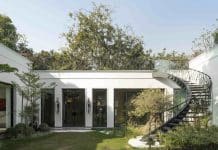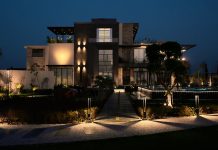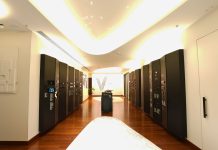


Kunal Shah, Principal Lighting Designer & Founder, SPK Valo, shares insights into the evolution of lighting design, the growing role of smart controls, and how tunable light, digital interfaces and intelligent fixtures are opening new creative possibilities for designers.
Could you take our readers through your journey as a lighting designer and the evolution of your practice?
My journey began with a deep curiosity about how light shapes space, emotion, and human behaviour. Studying Architectural Lighting Design at KTH Royal Institute of Technology in Stockholm instilled in me a European sensibility for minimalism, glare control, and natural light integration. When we established SPK Valo in Hyderabad, the guiding ethos became “Think Global, Act Local”.
Early in my practice, architectural lighting was predominantly static, focused on luminaire selection, wattage calculations, and fixed fixture layouts. Over time, our studio evolved from treating light as a static finish to approaching it as a living, breathing spatial sculpting tool. Today, we don’t just illuminate structures; we choreograph spatial sequences, balancing shadow with light to evoke distinct emotional responses across residential, hospitality, and commercial landscapes.
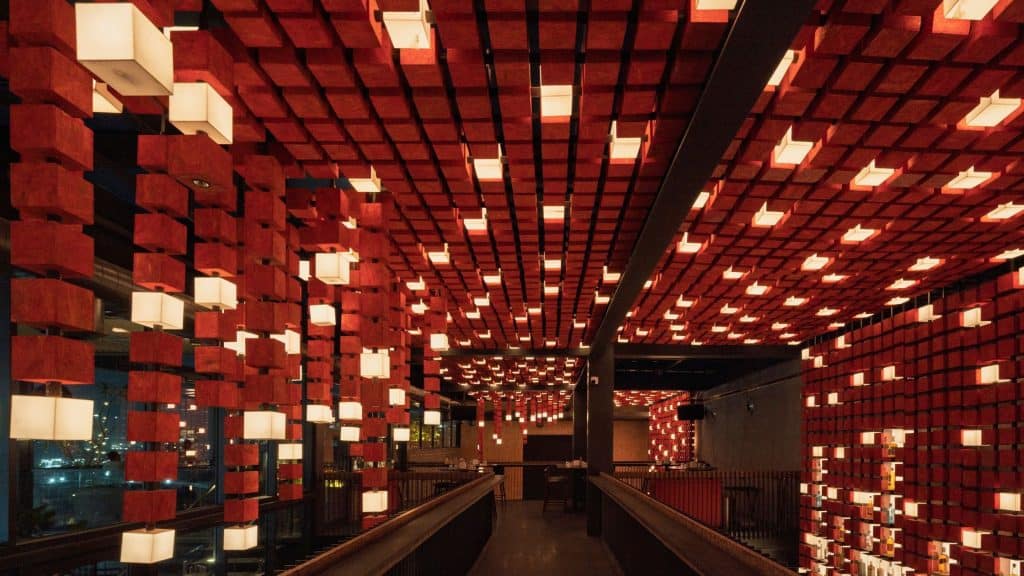
How has Smart Lighting & Control changed your approach to lighting design compared with conventional systems?
Conventional lighting relied on fixed circuits, manual wall switches, and static dimmers. If you wanted to re-zone a room or alter an atmosphere, it required physical rewiring or adding fixtures.
Smart lighting and digital control have completely liberated our design approach:
- Dynamic Storytelling: Spaces are no longer tied to a single identity. A high-end restaurant can feel bright and airy during breakfast, transition to warm, tactile tones at dusk, and morph into a moody, intimate sanctuary by night.
- Layered Composition: Instead of adjusting individual switches, controls allow us to program curated “scenes” where multiple layers of light—cove reveals, accent spots, floor grazers—adjust simultaneously to exact percentages.
- Energy Discipline: Intelligent controls ensure light is delivered only when and where needed, maximising efficiency without compromising visual comfort.
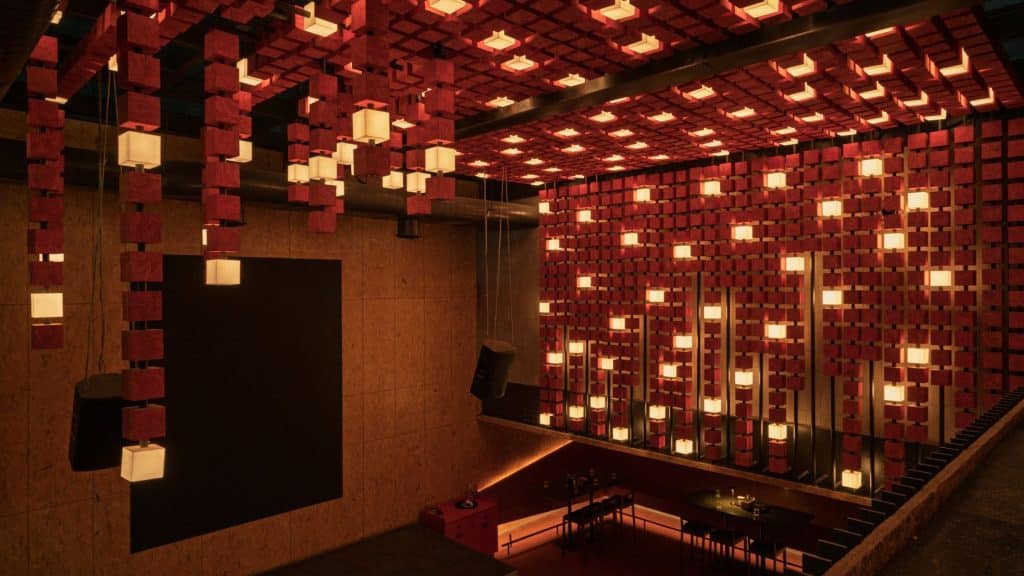
What makes a lighting fixture truly “smart”? How do tunable white, RGB/RGBW and digitally controllable fixtures expand design possibilities?
A fixture isn’t “smart” merely because it connects to an app or has an integrated chip. A truly smart fixture seamlessly balances photometric quality, digital intelligence, and physical integration:
- High Optical Integrity: Ultra-smooth dimming down to 0.1%, high colour consistency, and high colour fidelity.
- Digital Addressability: Individual control of output, spectrum, and beam parameters over standard digital protocols.
- Thermal & Sensor Intelligence: Integrated onboard sensors that report temperature, operating hours, and energy consumption back to a central network.
Expanding Creative Boundaries
- Tunable White: Essential for circadian lighting and material authenticity. Warm dimming mirrors traditional halogen warmth, while dynamic white brings daylight cycles indoors, highlighting natural materials like wood, stone, and woven textiles at their true colour rendition.
- RGB/ RGBW: Moves beyond gimmicky saturated colours to subtly shift colour temperatures, saturate specific interior accents, or introduce soft dynamic washes for experiential and hospitality venues.
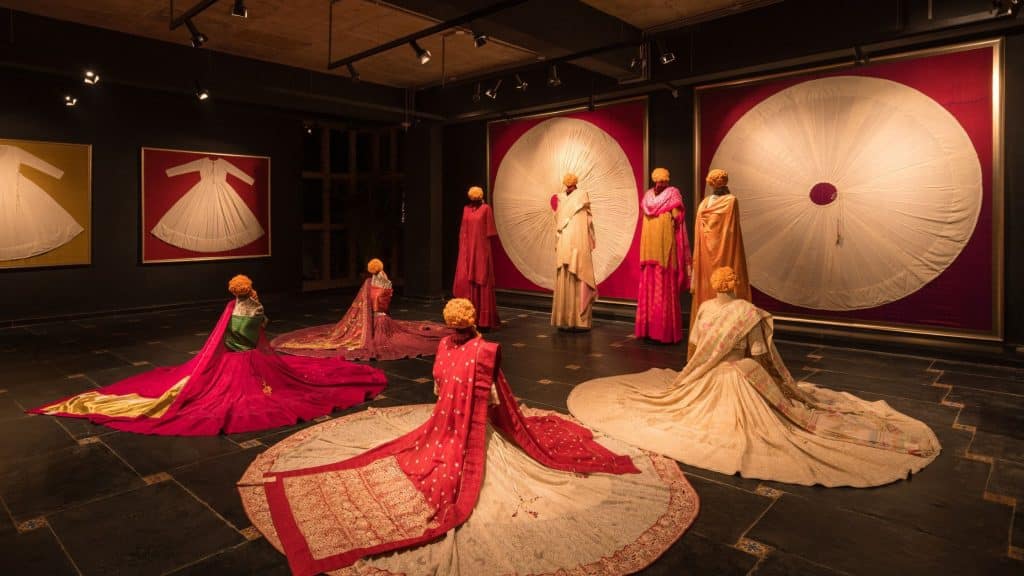
How do you select switches, dimmers, keypads, touch panels and other lighting interfaces for a project while ensuring they complement the interior design? Can you name the brands you often use in your projects?
- The user interface, like switches, keypads, and touch panels, is the primary physical touchpoint between the user and the lighting design. If the switch feels cheap or confusing, the integrity of the design drops.
- Selection Criteria
- Material Tactility: Keypads must match or enhance the interior material palette (anodised aluminium, brushed brass, matte metal, or custom timber faceplates).
- Intuitive Ergonomics: We avoid overly complex wall-mounted touchscreens with dozens of sub-menus. Instead, we favour clean, engraved 2-to-4 button keypads labelled by scene (e.g., Bright, Relax, Entertain, Off).
- Brands We Often Specify
- Depending on the project tier and regional requirements, we frequently collaborate with:
- Lutron (Palladiom, SeeTouch, and HomeWorks systems for high-end residential and luxury hospitality)
- Basalte and Ekinex (KNX-based tactile keypads with bespoke metal finishes)
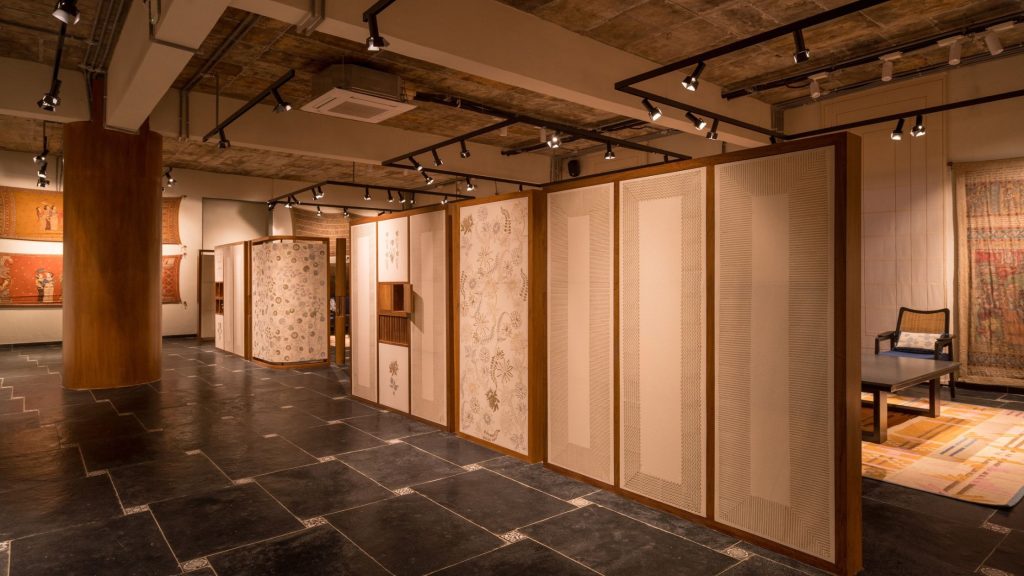
Which lighting control protocols do you commonly work with—such as DALI, Casambi or DMX- and how do you decide which is right for a project?
Choosing the right protocol depends on the scale, wiring infrastructure, dynamic requirements, and operational complexity of the project:
| Protocol | Primary Use Case | Key Strengths | Selection Rationale |
|---|---|---|---|
| DALI / DALI-2 | Commercial, Luxury Hospitality, Large Residential | Bi-directional communication, precise addressability, standardised open protocol. | Ideal for structured, hardwired installations requiring individual fixture addressing, fault feedback, and energy reporting. |
| Casambi (Bluetooth Low Energy) | Retrofits, Heritage Sites, High-End Residential & Retail | Wireless mesh network, no control wiring, high granularity, intuitive app commissioning. | Chosen when pulling control wiring is impossible, or where maximum flexibility and rapid scene tuning are needed on-site. |
| DMX512 / RDM | Facades, Experiential Venues, RGBW Dynamic Feature Walls | Ultra-fast refresh rates, smooth dynamic colour transitions, theatrical control. | Essential for complex dynamic scenes, facade mapping, and fast-response entertainment spaces. |
Where does Casambi offer an advantage, particularly for wireless control, flexibility and retrofit applications?
Casambi has disrupted architectural lighting by eliminating the barrier between complex digital control and physical wiring constraints:
- Elimination of Control Cabling: It operates over a decentralised Bluetooth Low Energy (BLE) mesh network, removing the need for DALI control buses or dedicated control panels.
- Retrofit & Heritage Friendly: In existing spaces or sensitive architectural structures where chasing walls for cabling isn’t an option, Casambi modules can be tucked behind standard switches, ceiling coves, or inside luminaire housings.
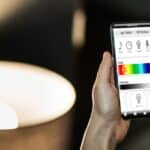
- On-Site Spatial Commissioning: Designers can walk through a finished space with a tablet, visually grouping fixtures and fine-tuning dimming curves and color temperatures in real time based on actual material reflections.
How do you integrate smart lighting with HVAC, motorised shading, security, AV and home automation to create a connected experience?
- Smart lighting should never operate in a silo; it must act as a coordinated layer within a unified building management ecosystem.
- Daylight Harvesting & Motorised Shading: Motorised shades (via Lutron Sivoia or KNX shade controllers) work in tandem with photosensors and exterior solar tracking. As natural daylight enters, shades adjust to control glare, while interior ambient light coves smoothly dim down to maintain target lux levels.
- HVAC & Occupancy Coupling: Motion and presence sensors used for lighting trigger HVAC temperature setbacks when rooms are unoccupied, reducing overall energy demand.
- AV & Cinema Modes: Tying keypads to AV systems enables one-touch scenes—tapping “Movie” lowers motorised drapes, dims architectural coves to 5%, turns off task lights, and powers up the projection display.
- Security & Emergency Events: Integration with security systems allows lights to flash during alarms or illuminate exit pathways automatically during emergency triggers.
How do you see IoT, sensors and AI changing the future of Smart Lighting & Control and the way people interact with light?
The next phase of lighting design moves from reactive automation to predictive ambient intelligence:
- Occupant-Centric AI: AI models will learn occupants’ daily habits, sleep schedules, and work patterns, automatically adjusting colour temperature, lux levels, and beam distributions throughout the day without requiring manual keypad input.
- Dense IoT Sensor Grids: Luminaires will increasingly serve as the digital backbone of a building, housing micro-sensors for indoor air quality, occupancy density, asset tracking, and thermal mapping.
- Predictive Maintenance: AI-driven analytics will monitor LED driver thermals and lumen depreciation, alerting facility managers to replace a component before a failure occurs.
What Smart Lighting & Control trends or technologies are you most excited about for your upcoming projects?
- Integrated Micro-Optics with Digital Beam Shaping: The ability to electronically alter a luminaire’s beam angle (from a 10° spot to a 40° flood) via software without changing physical lenses.
- Full-Spectrum & True Circadian Light Engines: Fixtures that replicate the natural solar spectrum, including violet and cyan wavelengths, to support biological health and realistic colour rendering.
- Sustainable, Modular Hardware: Moving toward circular lighting design, fixtures designed with easily swappable smart drivers, upgradeable wireless modules, and bio-based luminaire materials to eliminate e-waste.