

Rohan Khera discussed how the projector category is evolving through native 4K imaging, advanced XR processing and laser-based technology. From immersive home cinema experiences to high-brightness professional and large-venue applications, he shared insights into the latest projector portfolio, seamless integration with smart home ecosystems, and the innovations showcased at Smart Home Expo 2026.
Could you give us an overview of Sony’s current projector portfolio, including home, professional, and cinema-grade projectors?
Sony’s current projector portfolio spans two primary segments, home cinema and professional and business, unified by its proprietary SXRD imaging technology and a strong shift toward laser light sources.
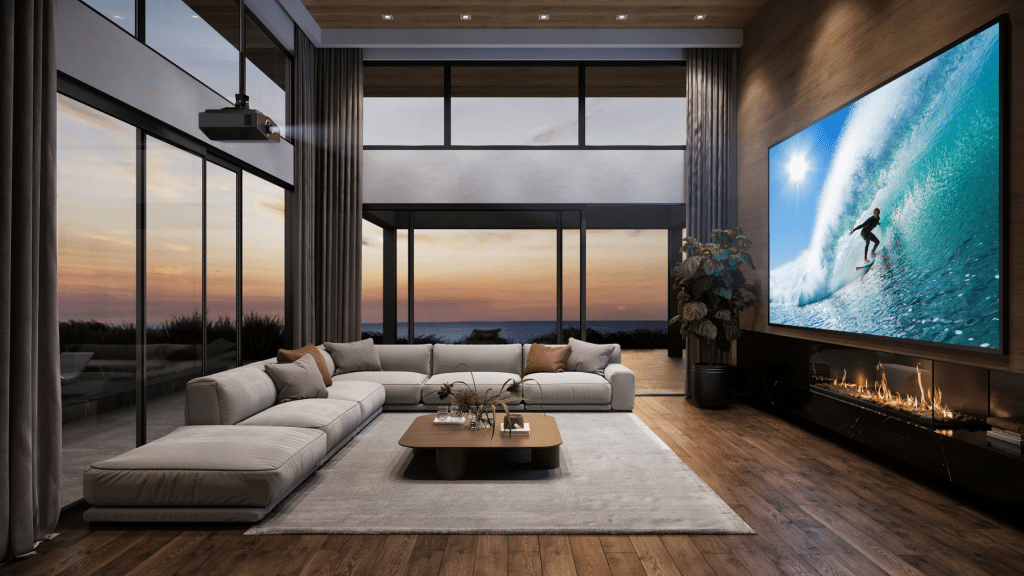
In the home segment, the BRAVIA projector lineup, including models such as BRAVIA Projector 7 and 9 and the VPL-XW series, is focused on native 4K resolution and HDR performance. Powered by the XR Processor for Projector, these models deliver dynamic tone mapping, deeper blacks and enhanced colour reproduction, bringing a truly cinematic, creator-intent-led experience into home environments. They are designed for enthusiasts and custom home theater installations, with features such as 4K/120Hz gaming and long-life laser illumination.
In the professional and business segment, Sony offers a wide range of projectors designed for corporate, education and large venue environments. These models prioritise high brightness, reliability, and flexible installation, with resolutions ranging from 4K (VPL-F Series) to WUXGA (VPL-PHZ51/61) and XGA (VPL-CXZ10). Engineered for continuous operation and seamless AV integration, they are well-suited for auditoriums, simulation and visualisation use cases.
What are the latest innovations or technological advancements in Sony projectors that distinguish them from competitors?
Sony’s latest projector innovations are built around a combination of proprietary imaging, advanced processing and system-level integration across both home and professional segments.
At the core is SXRD (Silicon X-tal Reflective Display), Sony’s proprietary LCoS-based technology, which delivers true native 4K resolution without pixel shifting. This enables higher contrast, smoother imagery, and virtually no visible pixel structure, resulting in a more natural, film-like viewing experience.
The introduction of the XR Processor for Projector brings Sony’s advanced TV processing capabilities into projection. Features such as XR Dynamic Tone Mapping, XR Deep Black, and XR Clear Image work together to enhance HDR performance, improve shadow detail, and deliver sharper, more refined visuals across varying content.
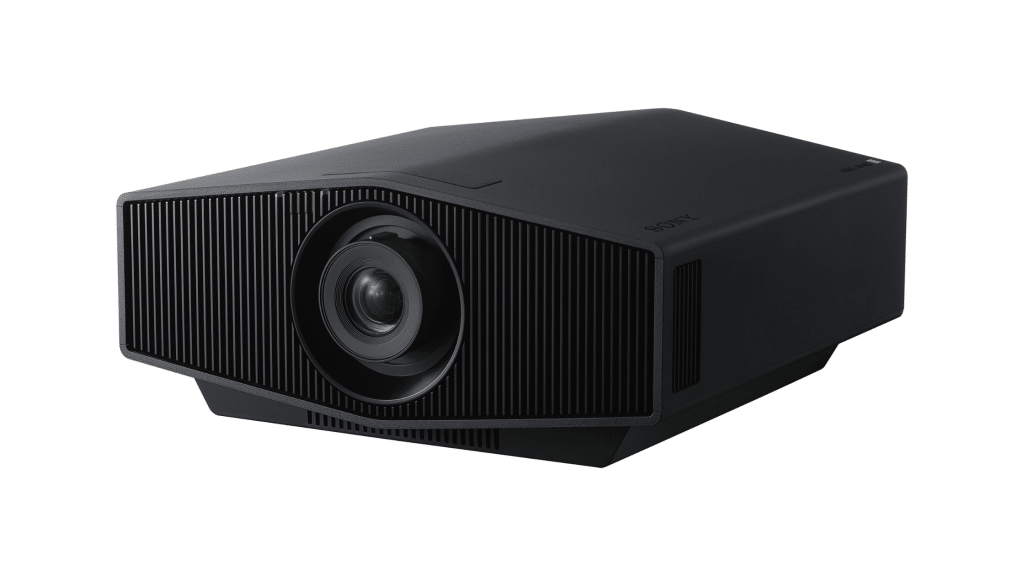
Sony has also fully transitioned to laser light sources, offering higher brightness stability, reduced maintenance, and better performance over time. This evolution has enabled more compact and efficient native 4K projector designs.
In addition, Sony continues to emphasise colour accuracy and creator intent through technologies like XR Triluminos Pro and support for IMAX Enhanced content, leveraging its unique ecosystem across content creation, mastering, and display.
More recently, gaming capabilities have been enhanced with support for 4K at 120Hz, low input lag, and Auto Low Latency Mode, making Sony projectors increasingly versatile for both cinematic and interactive experiences.
How do your projectors integrate with existing smart home and AV ecosystems? Are they compatible with multiple platforms or designed for specific setups?
Sony projectors are designed to be highly integrator-friendly, enabling seamless integration into existing smart home and AV ecosystems rather than operating as standalone smart devices. They support leading automation platforms such as Control4, Crestron, Savant, and AMX, allowing unified control of the entire home entertainment environment, including lighting, audio systems and screens, through a single interface.
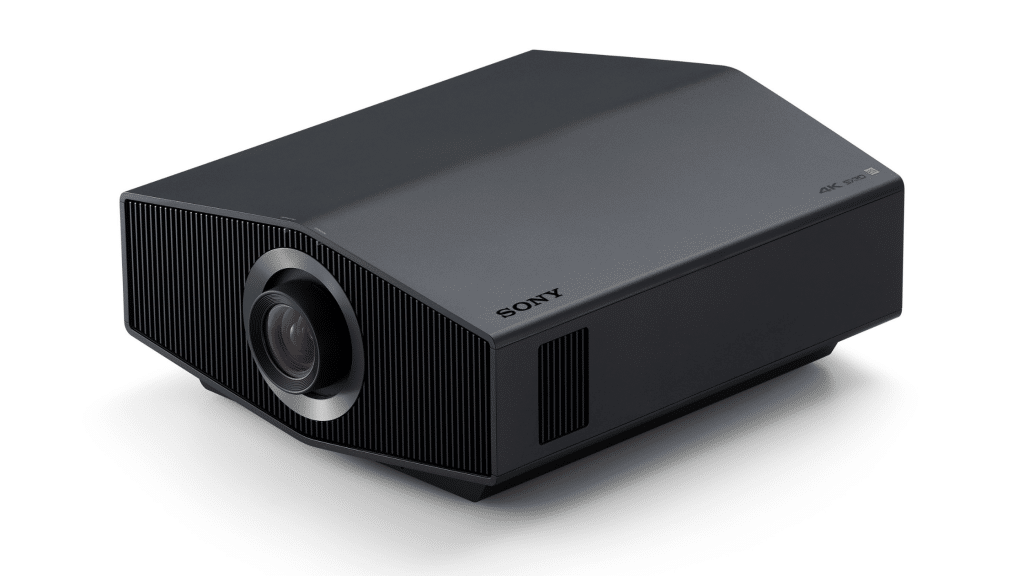
With built-in IP control over Ethernet, Sony projectors enable advanced capabilities such as two-way communication, real-time status monitoring, and remote diagnostics. Features like Crestron Connected and Control4 SDDP further simplify integration and device management.
Importantly, Sony projectors are built with a system-integration-first approach. Instead of relying on embedded apps or voice assistants, they are designed to work as part of a broader AV chain, offering greater flexibility and long-term compatibility. This allows for intuitive automation scenarios, from single-touch “movie mode” experiences in homes to centralised monitoring and scheduled operation in commercial environments, making them equally suited for residential and professional installations.
Could you share details about the new projector models or solutions you showcased at Smart Home Expo 2026?
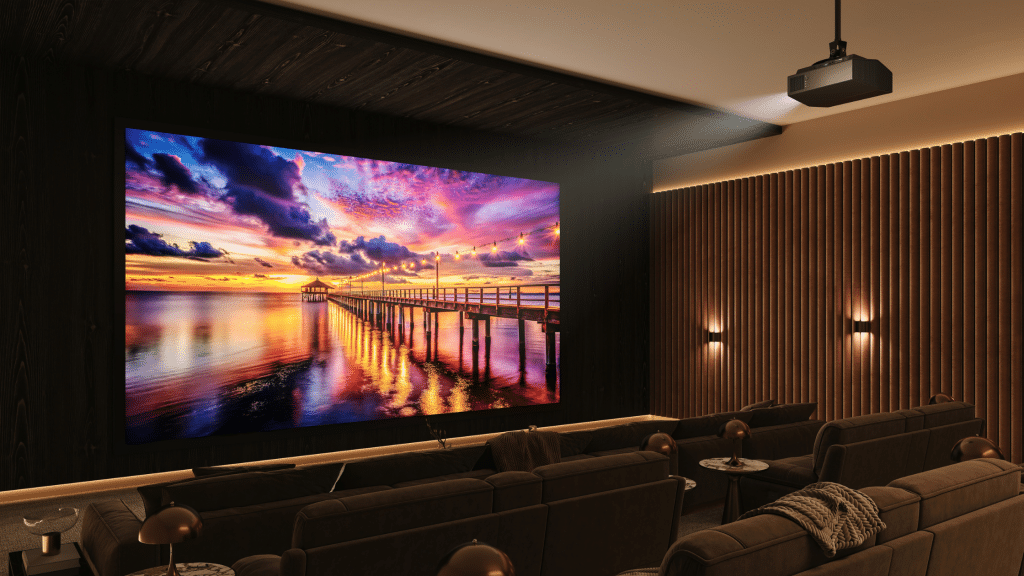
At Smart Home Expo 2026, we showcased our latest BRAVIA Projectors 7 and 9, alongside a range of advanced consumer and professional display technologies that highlight Sony’s leadership in immersive visual experiences. One of the key highlights was an innovative solution that enables viewing of 3D images and videos without the need for active or passive glasses, offering a more natural and engaging visual experience.
Tell us about your association with Smart Home Expo and how platforms like these help the industry at large.
This marked our first association with Smart Home Expo, and we see it as a valuable platform to engage with a highly relevant ecosystem of customers, system integrators, architects, and designers.
It provided us with an opportunity to showcase our technologies and solutions in the right context, while also enabling meaningful interactions with key stakeholders. Platforms like these play an important role in driving awareness, fostering collaboration and advancing the adoption of integrated, experience-led solutions across the industry.