
Sumant Bhatia shares how Havells Crabtree is evolving its smart home portfolio to align with changing Indian lifestyles. From experience-led ecosystems and intuitive interfaces to future-ready, AI-driven automation, he outlines the brand’s approach to connected living. The conversation also highlights recent innovations, upcoming launches at Smart Home Expo 2026, and how integrated, scalable solutions are driving adoption across both premium and mid-market segments in India.
As a trusted leader in India’s smart home segment, how is Havells Crabtree evolving its automation portfolio to address rapidly changing consumer expectations and lifestyle needs in India?
At Havells Crabtree, our evolution is deeply anchored in how Indian lifestyles are transforming, towards convenience, energy efficiency, and seamless digital experiences. We are moving from device-based automation to experience-led ecosystems.
This shift reflects a stronger focus on intuitive, user-friendly interfaces—whether through touch, app, or voice—making everyday interactions with technology seamless. At the same time, hybrid ecosystems are emerging, combining the reliability of wired systems with the flexibility of wireless solutions. Design is becoming equally critical, with systems blending effortlessly into modern Indian interiors. Importantly, solutions are now addressing both luxury homes and aspirational mid-segment buyers, all while being built on future-ready platforms that ensure long-term relevance and adaptability.
The goal is simple: one ecosystem, multiple entry points depending on user need and budget.
At Smart Home Expo 2025 last year, Havells Crabtree introduced Apogee, a premium modular switch and automation solution. How has the market responded to the range of any key insights to share.
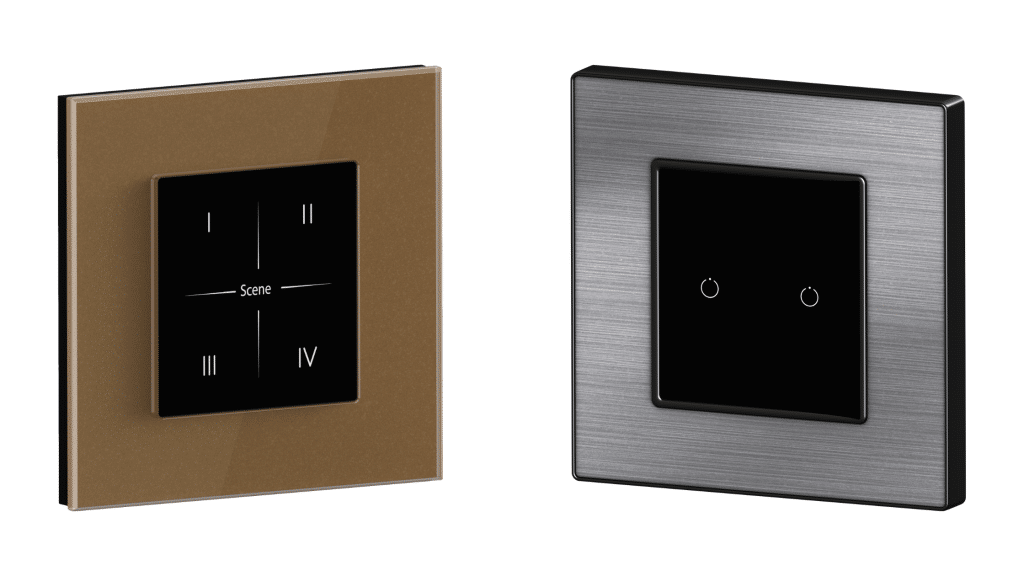
The response to Havells Crabtree Apogee has been extremely encouraging.
Key insights:
- Strong traction in premium & luxury residential projects.
- Customers appreciate the design-first approach combined with robust automation.
- Increasing demand from architects and system integrators looking for a differentiated offering versus traditional modular ranges.
It has helped Havells strengthen its positioning in the premium space. Apogee is also acting as a bridge between aesthetics and intelligence, which is exactly where the market is heading.
Could you highlight the newest additions to your automation ecosystem, particularly in the areas of smart switches, control interfaces, and IoT-enabled solutions, etc.?
Our recent innovations focus on building a comprehensive ecosystem, while we launched the new ranges for smart switches like Apogee, this year has seen a complete refresh of our Signia smart platform with a vastly improved offering. Our range of Signia Smart + Switches in its new avatar comes with excellent new features such as fast device onboarding, self-diagnostics checks and compatibility with Samsung SmartThings ecosystem.
Our enhanced range of Control panels for KNX has been introduced and has received a good response. The biggest launch has been the introduction of Curtain automation kits. These have received a lot of appreciation from our System Integration partners. These self-sufficient kits offer a full curtain motor and track solution out of the box. The universal 5-wire motors are available with different track sizes and can work with most curtain controllers available in the market. The kits also come with an RF remote controller for additional comfort.
With the industry moving towards intelligent living environments, how is Havells Crabtree preparing to add these upgrades, such as AI-driven automation, predictive controls, and unified smart solutions?
The next wave of growth will be driven by intelligence, not just connectivity.
At Havells Crabtree, we are actively working towards: AI-driven automation that learns user behaviour (lighting, climate, routines) Predictive controls based on occupancy, time, and usage patterns, Deeper integration into unified smart home platforms rather than fragmented apps, Enhanced data privacy and security frameworks, which are critical in India
We see the future as “invisible automation,” where systems anticipate needs rather than wait for commands.
What new range did you launch at Smart Home Expo 2026? Plus, what other product ranges were showcased at Smart Home Expo 2026?
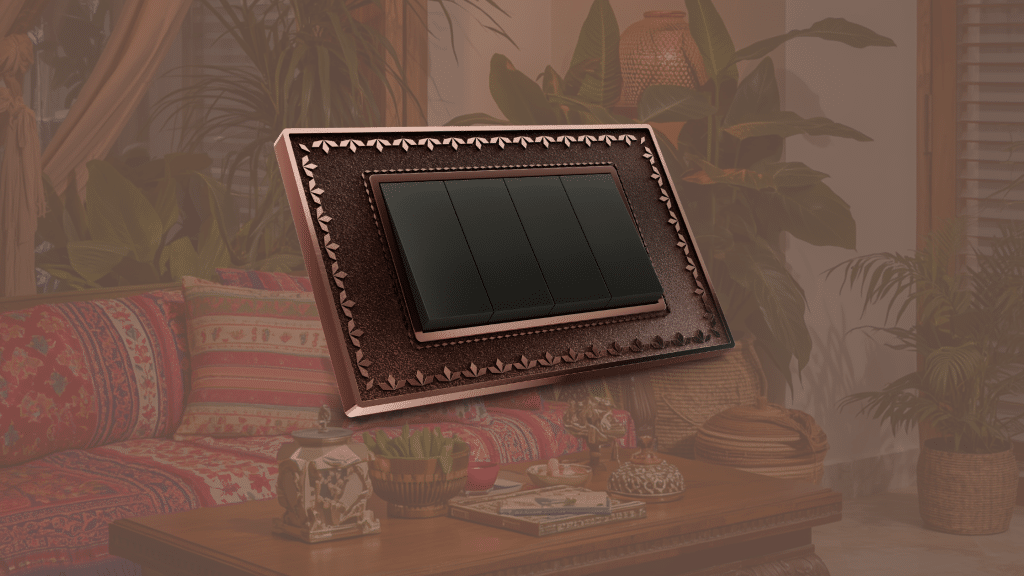
This year, our approach was very application-centric, and we showcased our solutions for hospitality, residential and commercial segments. Some of the new products that are in the process of being introduced were on display. A completely new range of control panels for wired automation called “XCELLENT” was launched along with some other new introductions like the Fenora & EAVE Series of Control panels.
We also showcased how our portfolio scales from mid-market homes to ultra-luxury residences and hotels.
Having participated in multiple editions of Smart Home Expo, how would you describe your overall experience? In your view, how do such expos contribute to fostering innovation, building partnerships, and accelerating the growth of the smart home ecosystem in India?
Our journey with the Smart Home Expo has been extremely rewarding. Such platforms play a critical role in:
- Driving awareness of smart home technologies among end-users
- Enabling collaboration between brands, architects, and integrators
- Accelerating innovation through real-time market feedback
- Showcasing India’s transition from luxury automation to mainstream adoption
For us, it’s not just an exhibition, it’s a strategic platform to shape industry direction and build long-term partnerships.